
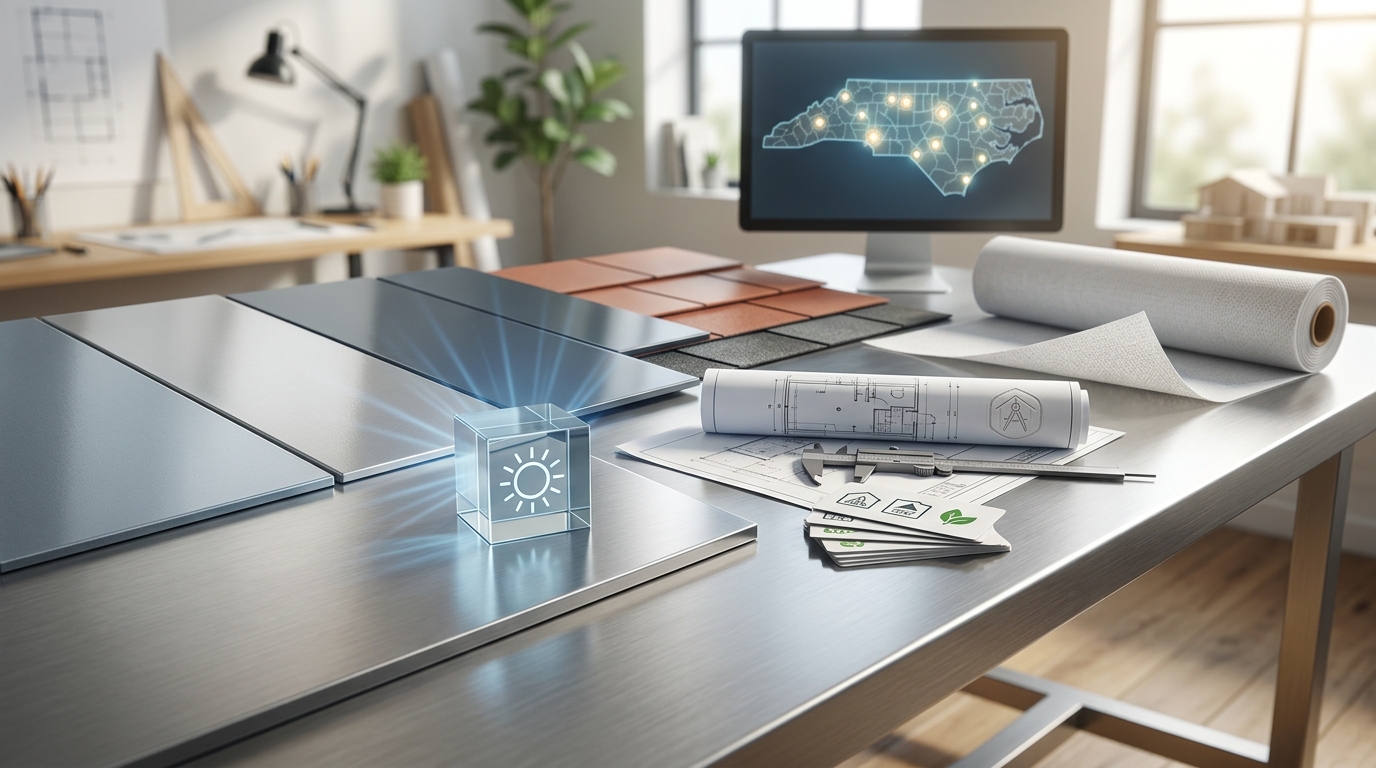
Best Energy-Efficient Roofing Materials for NC Homes
The Science of Savings: Why Energy-Efficient Roofing Matters in North Carolina
In North Carolina, the summer sun isn't just a feature of the landscape; it’s a direct contributor to your monthly overhead. From the humid coastal plains to the intense radiation felt in the Piedmont, our climate places immense stress on residential structures. For over 30 years, Mj's Roofing and remodeling has observed how traditional roofing materials absorb heat, forcing HVAC systems to work overtime and driving up energy costs. Choosing the best energy-efficient roofing materials for NC homes is no longer just an environmental choice—it is a critical financial strategy for homeowners.
The concept of a "cool roof" revolves around two primary metrics: solar reflectance and thermal emittance. Solar reflectance is the ability of a material to bounce sunlight back into the atmosphere, while thermal emittance is the ability to radiate absorbed heat rather than transferring it into your attic. When you upgrade your home through residential roofing services that prioritize these factors, you can reduce your cooling costs by as much as 10% to 15% during peak summer months.
Top Contenders: Best Energy-Efficient Roofing Materials for NC Homes
Not all materials are created equal when it comes to the North Carolina climate. Below, we break down the most effective options available today, drawing on our three decades of local expertise to help you make an informed decision.
1. Metal Roofing: The Gold Standard for Reflectivity
Metal roofing is arguably the most energy-efficient material available for North Carolina residents. Whether it is standing seam or metal shingles, this material naturally reflects a high percentage of solar radiation. Unlike asphalt, which tends to hold heat, metal cools down rapidly once the sun sets.
- Solar Reflectance: High (especially with light-colored Kynar 500 finishes).
- Lifespan: 40–70 years.
- NC Advantage: Excellent for resisting the high winds and humidity often found in areas like Clayton or Durham.
Modern metal roofs are often treated with "cool roof" pigments that increase their emissivity even in darker colors. This makes them a versatile choice for homeowners who want the aesthetic of a darker roof without the thermal penalty.
2. Reflective "Cool" Asphalt Shingles
Asphalt shingles remain the most popular choice due to their balance of cost and performance. However, standard shingles are notorious for absorbing heat. "Cool" asphalt shingles are manufactured with specially coated granules that reflect infrared radiation.
At Mj's Roofing and remodeling, we recommend these for homeowners who want to improve their energy profile without the higher upfront investment of metal or tile. These shingles are designed to meet ENERGY STAR® requirements, ensuring that your exterior remodeling project pays for itself over time through utility savings.
3. Clay and Concrete Tiles
While more common in the Southwest, tile roofing is exceptionally effective in North Carolina’s heat. The heavy thermal mass of clay and concrete allows them to absorb heat during the day and release it slowly at night, preventing sudden temperature spikes in the home. Furthermore, the shape of the tiles creates natural air channels that allow for ventilation under the roof surface.
4. Slate and Synthetic Slate
Natural slate is a premium material that offers incredible durability and natural thermal resistance. However, because it is heavy and expensive, many NC homeowners are turning to synthetic or composite slate. These materials are lighter and often incorporate UV-inhibitors that reflect heat better than traditional stone.
Comparing Energy Performance: A Quick Reference
| Material | Reflectivity | Lifespan | Efficiency Rating |
|---|---|---|---|
| Metal (Light Color) | Very High | 50+ Years | Excellent |
| Cool Asphalt Shingles | Moderate/High | 20-30 Years | Good |
| Clay/Concrete Tile | High (via mass) | 50+ Years | Excellent |
| Standard Asphalt | Low | 15-20 Years | Poor |
The Role of Color and Texture in Energy Efficiency
While material composition is the primary driver of efficiency, color plays a supporting role that cannot be ignored. In the search for the best energy-efficient roofing materials for NC homes, lighter shades are generally superior. A white or light gray roof can reflect up to 80% of solar radiation, whereas a dark black roof may reflect as little as 5%.
However, we understand that aesthetics matter. If you prefer a darker aesthetic for your home in Raleigh or Cary, look for "cool-roof" certified dark materials. These use specialized granules or pigments that look dark to the human eye but behave like light colors in the infrared spectrum.
Beyond the Surface: Insulation and Ventilation
The best roofing material in the world will fail to provide energy efficiency if the systems beneath it are neglected. At Mj's Roofing and remodeling, we take a holistic approach to every project. This includes evaluating:
Proper Attic Ventilation
Heat needs a way to escape. In North Carolina, stagnant attic air can reach temperatures upwards of 150°F. Proper ridge vents, soffit vents, and solar-powered fans ensure a continuous flow of air, which protects your shingles from "cooking" from the inside out and reduces the load on your air conditioner.
High-Quality Underlayment
Synthetic underlayments provide an extra layer of thermal protection and moisture resistance compared to traditional felt paper. This is especially important for protecting your home during our heavy seasonal rains.
The Mj's Roofing and remodeling Framework for Choosing a New Roof
When we consult with North Carolina homeowners, we use a four-step methodology to determine the best energy-efficient roofing materials for their specific needs:
- Climate Analysis: Does your specific area (coastal vs. inland) require higher wind resistance or just heat reflection?
- Structural Assessment: Can your current roof deck support heavier materials like tile or slate?
- Budgeting for ROI: We calculate the "payback period"—how long it will take for energy savings to offset the initial cost of premium materials.
- Aesthetic Harmony: Ensuring the material complements your home's architecture and increases overall curb appeal.
For more specific information about your neighborhood's requirements, you can visit our frequently asked questions page to see how we handle local building codes and material selections.
Why Local Expertise Matters for Energy Efficiency
Many national chains offer cookie-cutter solutions that don't account for the unique micro-climates of North Carolina. With over 30 years of experience, MJ's Roofing & Remodeling understands the nuance of NC weather. We've seen how the salt air in coastal regions affects metal finishes and how the clay soil and humidity in the Piedmont impact roof longevity.
Our status as a trusted local authority means we don't just install a roof; we engineer a protective barrier for your home. We are committed to using materials that are proven to withstand local conditions while providing the highest possible energy ROI.
Frequently Asked Questions About Energy-Efficient Roofing
Do energy-efficient roofs really save enough money to justify the cost?
Yes. While materials like metal or cool shingles may have a higher upfront cost, the combination of lower monthly utility bills, reduced HVAC maintenance, and potential insurance discounts typically results in a net gain for the homeowner over the life of the roof.
Can I make my existing roof energy efficient without replacing it?
While some coatings can be applied, they are often temporary fixes. The most effective way to improve efficiency is during a full replacement where proper ventilation and high-performance underlayment can be integrated into the system.
Are dark-colored metal roofs energy efficient?
Surprisingly, yes—if they are treated with reflective pigments. Modern technology allows dark-colored metal to have higher solar reflectance than many light-colored asphalt shingles. However, a light-colored metal roof will always be the most efficient option.
Is there a tax credit for installing an energy-efficient roof in NC?
Homeowners should check current federal and state tax codes, as programs like the Energy Star tax credit frequently change. Often, "cool roof" certified materials qualify for various green building incentives.
Take the Next Step Toward a Cooler Home
Choosing between the best energy-efficient roofing materials for NC homes is a significant decision that impacts your comfort and your wallet for decades. Don't settle for a contractor who doesn't understand the local climate or the science of energy savings. Trust the experts who have been protecting North Carolina homes for over 30 years.
Whether you are in Apex, Durham, or any of our surrounding service areas, we are ready to help you upgrade your home’s efficiency. Contact Mj's Roofing and remodeling today for a comprehensive consultation and discover how a high-performance roof can transform your home.