
Best Roofing Materials for North Carolina Climate | Expert Guide
Choosing the Best Roofing Materials for North Carolina Climate: A Comprehensive Guide
North Carolina homeowners face a unique meteorological cocktail that tests the limits of residential and commercial structures. From the salt-heavy air of the Outer Banks to the humid heat of the Piedmont and the heavy snowfalls of the Blue Ridge Mountains, our state demands more from a roof than perhaps any other region in the United States. At Mj's Roofing and remodeling, we have spent over 30 years observing how different products perform against the humidity, UV rays, and high winds inherent to our region. Selecting the best roofing materials for North Carolina climate isn't just about curb appeal; it’s about choosing a shield that can withstand thermal shock and hurricane-force winds.
With three decades of hands-on experience, our team has seen firsthand which materials thrive and which fail prematurely under the Carolina sun. Whether you are looking for residential roofing solutions or specialized commercial applications, understanding the interplay between material science and local weather patterns is the first step toward a long-lasting investment. In this guide, we will break down the top-performing materials based on durability, thermal efficiency, and long-term ROI.
The North Carolina Climate Profile: Why Your Roof Struggles
To understand why specific materials are better than others, we must first analyze the stressors they face in North Carolina. Our climate is generally classified as humid subtropical, but that definition doesn't fully capture the extremes.
1. High Humidity and Biological Growth
North Carolina is notorious for high humidity levels. For a roof, this means constant moisture exposure, which creates a breeding ground for Gloeocapsa magma—the cyanobacteria responsible for those unsightly black streaks on asphalt shingles. Beyond aesthetics, moss and lichen growth can trap moisture against the roof surface, leading to rot in the underlying decking.
2. Intense UV Exposure and Thermal Shock
Our summers are long and hot. UV radiation breaks down the molecular structure of roofing materials, causing shingles to become brittle. Furthermore, we often experience "thermal shock"—when a roof surface reaching 150°F is suddenly hit by a cooling afternoon thunderstorm. This rapid contraction can cause materials to crack or lose their protective granules.
3. Wind and Storm Resilience
Being in a hurricane-prone zone, particularly in the eastern and central parts of the state, means your roof must be rated for high wind speeds. Even inland, we experience severe thunderstorms that can produce damaging hail and straight-line winds. The best roofing materials for North Carolina climate must have high wind-uplift ratings and impact resistance.
Top-Tier Material Analysis: What Works Best in NC?
Architectural Asphalt Shingles: The Versatile Standard
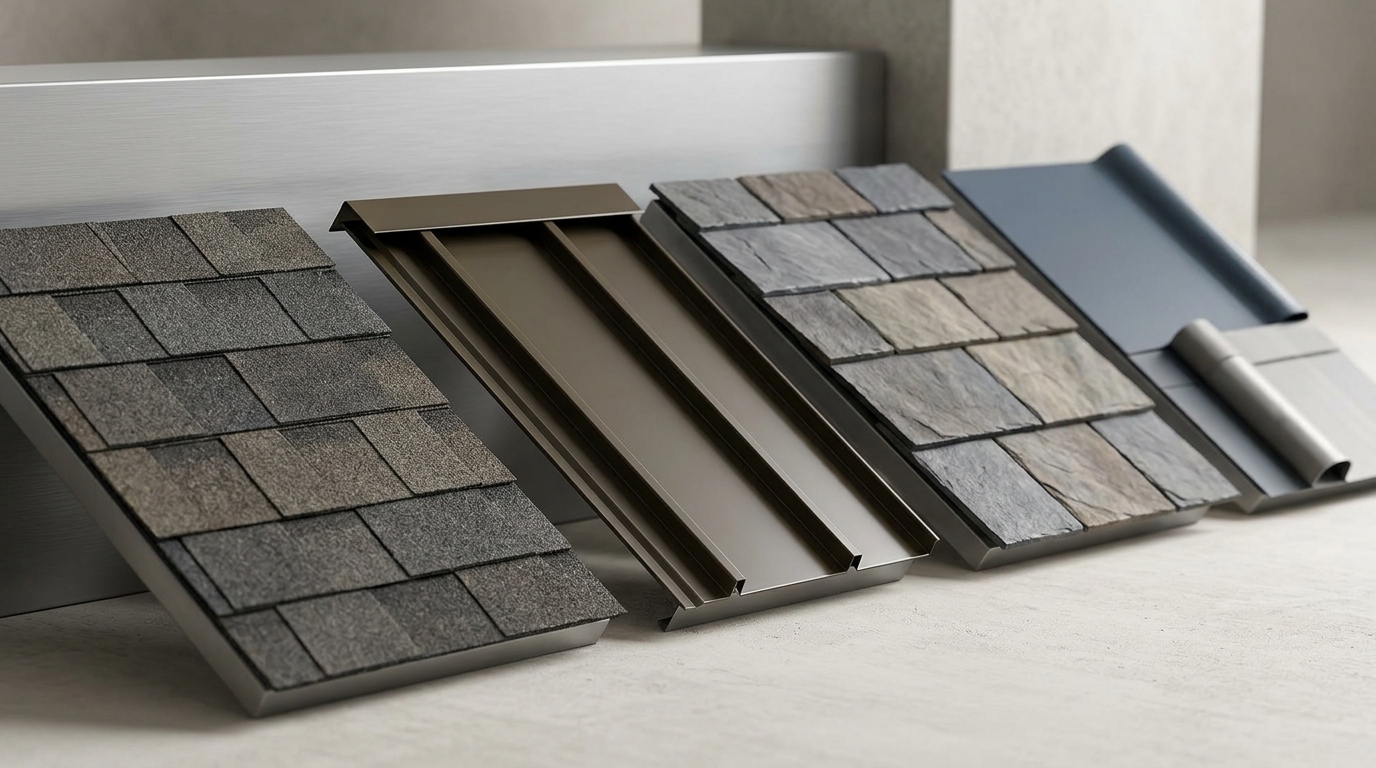
Standard 3-tab shingles are often insufficient for the varying NC weather. However, architectural (laminated) asphalt shingles are among the best roofing materials for North Carolina climate due to their multi-layered construction and heavy weight.
- Pros: Cost-effective, wide variety of colors, and excellent wind resistance (many are rated up to 130 mph).
- NC Specifics: Many modern architectural shingles come with copper-infused granules that resist the algae growth common in our humid environment.
- Lifespan: 25–30 years with proper maintenance.
Metal Roofing: The Long-Term Powerhouse
Metal roofing has seen a massive surge in popularity across North Carolina, from modern farmhouse designs in Raleigh to coastal cottages. At Mj's Roofing and remodeling, we often recommend metal for homeowners seeking the highest possible ROI. It is particularly effective for commercial roofing projects where longevity is the primary concern.
- Pros: Exceptional UV reflection (keeping homes cooler), fire resistance, and incredible longevity.
- NC Specifics: Standing seam metal roofs are virtually impervious to wind uplift and do not support the growth of moss or algae.
- Lifespan: 50–70 years.
Synthetic and Composite Slate
For those who want the look of traditional slate without the massive weight and high cost, synthetic composites are a game-changer. These materials are engineered to withstand the thermal expansion and contraction cycles common in the Piedmont region.
Comparative Performance Data: North Carolina Roofing Materials
| Material | Wind Rating | Heat Resistance | Maintenance Needs | Average Cost |
|---|---|---|---|---|
| Architectural Shingles | High (110-130 mph) | Moderate | Moderate | $ |
| Standing Seam Metal | Superior (140+ mph) | Excellent | Low | $$$ |
| Synthetic Slate | High | High | Low | $$ |
| Cedar Shakes | Moderate | Moderate | High | $$$ |
The "MJ Selection Framework" for NC Homeowners
When we consult with clients about the best roofing materials for North Carolina climate, we use a proprietary decision-making framework. This ensures that the material chosen matches both the micro-climate of the property and the financial goals of the owner.
Step 1: Assessing Regional Micro-Climates
A home in Wilmington needs salt-spray resistance (like aluminum or high-grade stainless steel components), while a home in Asheville needs to account for heavy snow loads and ice damming. We begin by evaluating the specific environmental threats of your ZIP code.
Step 2: Solar Reflectance Index (SRI) Requirements
With North Carolina energy costs rising, we look at the SRI of the material. Lighter-colored shingles or reflective metal coatings can reduce attic temperatures by up to 30 degrees during a July heatwave, significantly lowering your cooling bills.
Step 3: Structural Weight Analysis
Before suggesting heavy materials like real slate or clay tile, we must ensure the home's framing can handle the load. Many North Carolina homes built in the late 20th century were designed specifically for asphalt, necessitating lightweight alternatives like synthetic products.
The Importance of Ventilation in a Humid Climate
Choosing the best material is only half the battle. In North Carolina, your roof is a system. Without proper attic ventilation, even the highest quality metal or asphalt roof will fail. Trapped heat and moisture in the attic can lead to "cooking" the shingles from the inside out and causing structural rot.
As trusted local roofing experts with over 30 years of experience, we ensure that every installation includes a balanced intake and exhaust system. This is crucial for managing the 70%+ humidity levels we see throughout the summer months.
Beyond the Roof: Gutters and Siding
The best roofing materials for North Carolina climate work in tandem with other exterior elements. For instance, our heavy rainfall requires high-capacity gutter systems to prevent water from backing up under the roof edge. We highly recommend pairing a new roof with professional gutter installation to ensure water is diverted away from the foundation and the fascia boards.
FAQs: North Carolina Roofing Concerns
Which roofing material is best for high winds in NC?
Metal roofing, specifically standing seam panels, offers the best wind resistance. However, Class 4 impact-rated architectural shingles are an excellent and more affordable alternative for most residential applications in North Carolina.
How does humidity affect my roof choice?
High humidity promotes algae and moss growth. If you choose asphalt shingles, ensure they are "Algae Resistant" (AR) shingles, which contain copper granules that prevent the growth of black streaks and moss.
Is metal roofing too hot for North Carolina summers?
Actually, it is the opposite. Metal roofing with reflective coatings has a high Solar Reflectance Index, meaning it reflects more heat away from the home than asphalt shingles, which tend to absorb and hold heat.
How often should I inspect my roof in North Carolina?
Given our storm frequency, we recommend a professional inspection twice a year—once in the spring before the heat and thunderstorm season, and once in the late fall after hurricane season concludes.
Conclusion: Making the Right Investment for Your Home
There is no one-size-fits-all answer, but for most residents, the best roofing materials for North Carolina climate include architectural asphalt shingles for value and standing seam metal for longevity and efficiency. The key is not just the material, but the quality of the installation and the expertise of the contractor who understands our local weather nuances.
At Mj's Roofing and remodeling, we bring three decades of North Carolina roofing heritage to every project. We don't just install roofs; we build protection systems tailored to the unique challenges of our state. Ready to upgrade your home's defense? Contact us today for a comprehensive consultation and discover the best material for your specific needs.