
Best Roofing Materials for North Carolina Climate | Expert Guide
Choosing the Best Roofing Materials for North Carolina Climate
With over 30 years of experience protecting homes in the Tar Heel State, Mj's Roofing and remodeling understands that North Carolina presents a unique set of challenges for any structure. From the humid, salt-sprayed coast to the fluctuating temperatures of the Piedmont and the snow-heavy peaks of the Appalachian mountains, your roof is your first line of defense against a relentless climate. Selecting the best roofing materials for North Carolina climate isn't just about aesthetics; it is about engineering a system that can withstand thermal shock, hurricane-force winds, and the persistent moisture that characterizes our region.
At Mj's Roofing and remodeling, we have seen firsthand how the wrong material can lead to premature failure, mold growth, and costly structural repairs. Whether you are looking for residential roofing solutions for a new build or considering a replacement for an aging system, understanding the science behind material performance in North Carolina is essential for a long-lasting investment.
Understanding North Carolina's Unique Climate Challenges
Before diving into specific materials, we must analyze the environmental stressors that North Carolina roofs face year-round. These factors dictate the lifespan and efficiency of your roofing system.
High Humidity and Moisture Retention
North Carolina is notorious for its humidity. In cities like Raleigh, Durham, and Charlotte, humidity levels often hover in the high percentages, creating a breeding ground for Gloeocapsa Magma—the bacteria responsible for those unsightly black streaks on roofs. This moisture can also lead to rot in the decking if the material is not properly ventilated or installed.
Intense UV Radiation and Thermal Shock
Our summers are long and hot. Constant exposure to UV radiation causes many materials to become brittle and lose their waterproofing capabilities. Furthermore, North Carolina often experiences "thermal shock," where the temperature swings rapidly from a 90-degree afternoon to a 60-degree evening. This cause materials to expand and contract quickly, leading to cracks and fastener fatigue.
Hurricane-Force Winds and Severe Storms
Being on the Atlantic coast means we are susceptible to hurricanes and tropical storms. High winds can lift shingles, while heavy rainfall tests the integrity of every flashing and seal. In the areas we serve, we prioritize materials with high wind-uplift ratings to ensure our clients' safety during the peak of storm season.
Top Recommendations: The Best Roofing Materials for North Carolina Climate
Based on three decades of local experience, we have identified several materials that consistently outperform the rest in our specific environment. Here is a breakdown of the top contenders.
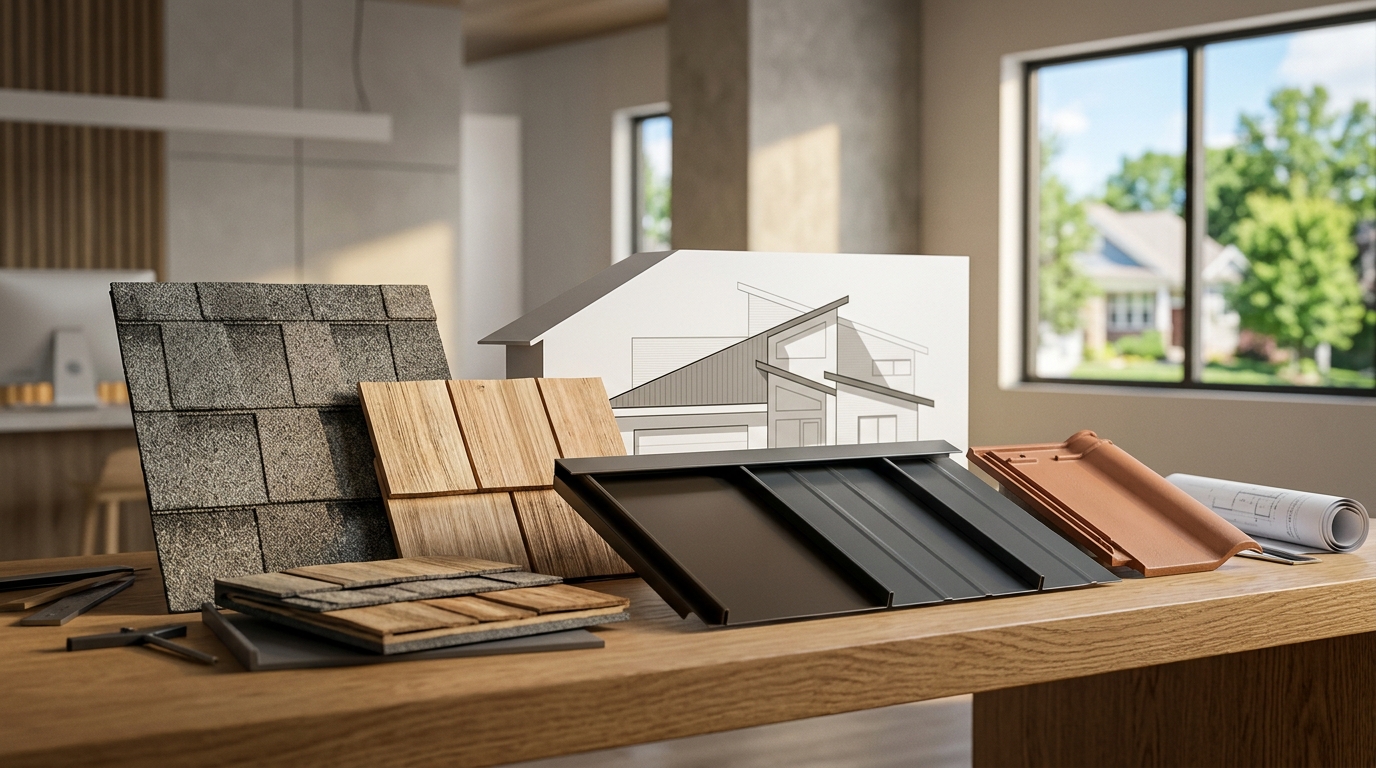
Architectural Asphalt Shingles: The Versatile Standard
Architectural (or laminate) shingles are the most popular choice in North Carolina for a reason. Unlike traditional 3-tab shingles, architectural shingles are composed of multiple layers of asphalt and fiberglass, providing a dimensional look and superior durability.
- Pros: Cost-effective, wide variety of colors, and high wind resistance (often rated up to 130 mph).
- NC Advantage: Modern architectural shingles often include copper or zinc granules that inhibit algae growth, a must-have for our humid summers.
- Cons: Shorter lifespan compared to metal or slate (typically 20-30 years).
Standing Seam Metal Roofing: The Premium Choice for Longevity
Metal roofing has surged in popularity across North Carolina. While the initial investment is higher, the ROI is unmatched. For homeowners near the coast or in high-wind corridors, metal is often the best roofing material for North Carolina climate.
- Pros: Lifespan of 50+ years, excellent energy efficiency (reflects solar heat), and virtually fireproof.
- NC Advantage: Metal sheds water and debris easily, reducing the risk of rot in heavily wooded areas. Standing seam profiles hide fasteners, eliminating potential leak points.
- Cons: Higher upfront cost and can be noisy during heavy hailstorms if not properly insulated.
Synthetic and Composite Materials
For those who love the look of natural slate or cedar shakes but want to avoid the maintenance and weight, synthetic roofing is an excellent alternative. These are made from engineered polymers and recycled materials.
- Pros: Lightweight, Class 4 impact resistance (highest rating), and incredibly durable.
- NC Advantage: Unlike natural wood, synthetic shakes will not rot or suffer from insect infestations—a common problem in the humid South.
- Cons: Requires specialized installation expertise.
Material Comparison Matrix for NC Homeowners
To help you visualize the best fit for your home, we have compiled this data based on local performance metrics.
| Material Type | Expected Lifespan | Wind Resistance | Energy Efficiency | Maintenance Needs |
|---|---|---|---|---|
| Architectural Shingles | 20 - 30 Years | High | Moderate | Moderate |
| Standing Seam Metal | 50 - 70 Years | Excellent | High | Low |
| Slate / Tile | 75+ Years | Moderate to High | Moderate | Low to Moderate |
| Synthetic Composite | 40 - 50 Years | Excellent | High | Low |
The Role of Energy Efficiency in Roofing
In North Carolina, cooling costs can skyrocket during the summer months. The material you choose significantly impacts your attic temperature. "Cool Roof" technology, which involves reflective pigments in shingles or metal panels, can reflect up to 60% of solar radiation. This reduces the load on your HVAC system, potentially lowering energy bills by 10-15%. When consulting with Mj's Roofing and remodeling, we can help you explore flexible financing options to upgrade to these energy-efficient materials, which often pay for themselves over time.
Essential Considerations for Installation
Even the best roofing materials for North Carolina climate will fail if they are not installed with precision. At Mj's Roofing and remodeling, we emphasize three critical components of any roofing project:
- Proper Ventilation: Without balanced intake and exhaust ventilation, heat and moisture build up in your attic, baking your shingles from the inside out and leading to mold.
- Underlayment Quality: We use high-grade synthetic underlayment that provides a secondary water barrier far superior to traditional felt paper.
- Flashing and Seals: Most leaks occur at roof penetrations like chimneys and valleys. We utilize custom-fit flashing to ensure these vulnerable areas remain watertight.
The Importance of a Total System Approach
A roof is not just shingles; it is a system. This includes your gutter system, which is vital for directing the heavy NC rainfall away from your foundation. Improper drainage can lead to fascia rot and basement flooding. We often recommend integrated gutter guards to ensure your new roof is protected from debris-related water backup.
Frequently Asked Questions
What is the most durable roof for North Carolina hurricanes?
Standing seam metal roofing is generally considered the most durable against hurricanes due to its interlocking panels and lack of exposed fasteners, which prevents wind from getting underneath the material.
How often should I have my roof inspected in NC?
We recommend a professional inspection at least once a year, preferably in the spring, and after any major storm event. Regular maintenance can extend the life of your roof by 5-10 years.
Are dark-colored roofs a bad idea for North Carolina?
While dark colors absorb more heat, modern shingles are engineered with reflective granules that mitigate this effect. However, lighter colors or "Cool Roof" certified materials will always be more energy-efficient in our climate.
Can I install a metal roof over my existing shingles?
While it is possible in some cases, we generally advise against it. Removing the old shingles allows us to inspect the decking for rot and ensures the new metal roof is fastened securely to a solid surface.
Conclusion: Trust the Local Experts
Selecting the right roof is a significant decision that impacts the safety, value, and efficiency of your home. By choosing the best roofing materials for North Carolina climate and partnering with a contractor who has three decades of local expertise, you can rest easy knowing your home is protected against whatever the North Carolina sky may bring.
Ready to upgrade your home’s protection? Contact our team today at Mj's Roofing and remodeling for a comprehensive inspection and a customized quote. Let us show you why we have been North Carolina's trusted roofing authority for over 30 years.