
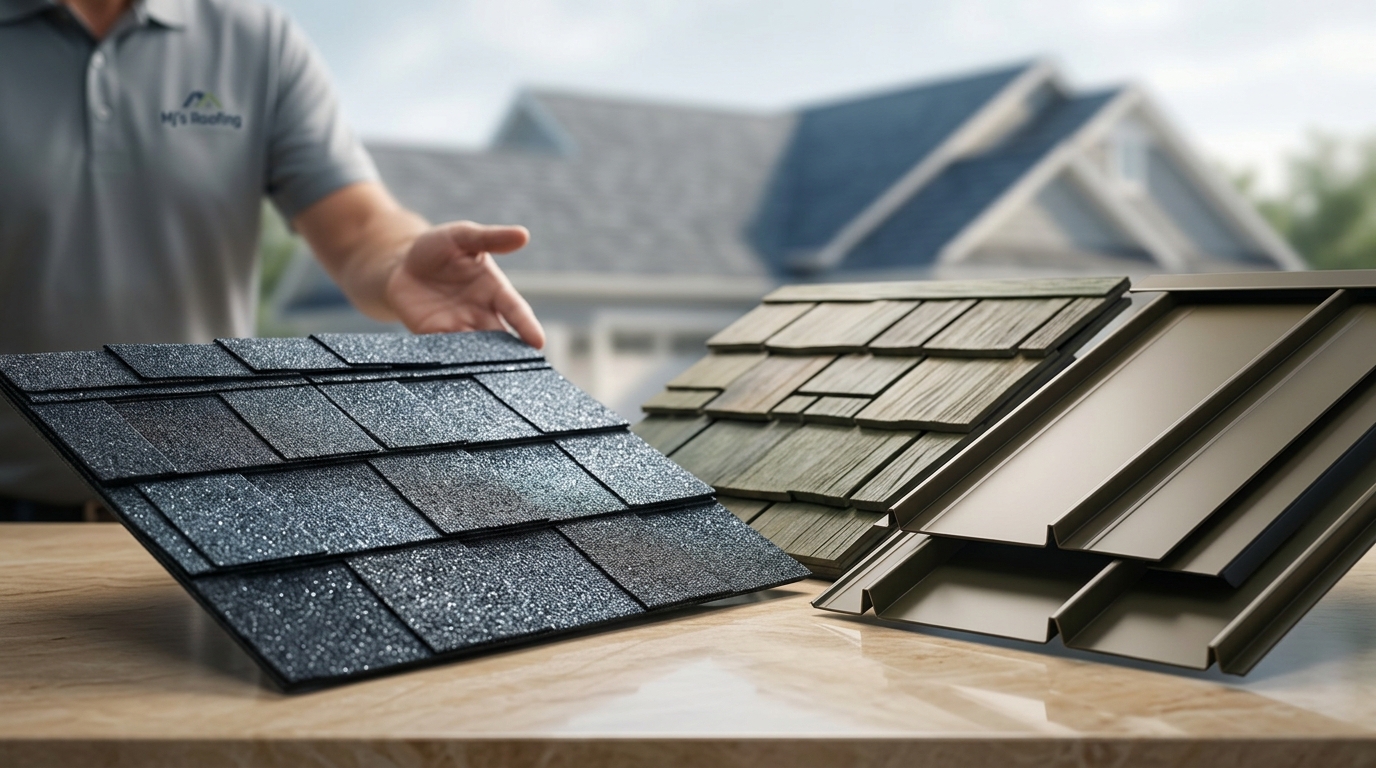
Best Roofing Materials for North Carolina Humidity and Heat
Understanding the Impact of North Carolina Humidity and Heat on Your Roof
For over 30 years, Mj's Roofing and remodeling has watched the North Carolina sky provide everything from blistering summer sun to the heavy, salt-tinged humidity that defines our coastal and inland regions alike. In our decades of service, we have seen firsthand how the specific environmental stressors of the Tar Heel State can compromise a subpar roof in record time. When homeowners ask about the best roofing materials for North Carolina humidity and heat, they aren't just asking for an aesthetic recommendation—they are asking for a survival guide for their home.
North Carolina presents a unique set of challenges. We experience high UV indices that can bake shingles until they are brittle, coupled with relative humidity levels that often exceed 80%, creating a breeding ground for algae and mold. Without the right materials, a roof that might last 25 years in a drier climate might only last 15 here. Choosing the right material is the difference between a home that stays cool and dry and one that suffers from escalating energy bills and structural rot.
Why North Carolina’s Climate is Tough on Standard Roofs
Before diving into specific materials, it is critical to understand the three primary "enemies" of a North Carolina roof: thermal shock, UV degradation, and moisture retention.
Thermal Shock and UV Exposure
In cities like Raleigh, Durham, and Apex, summer temperatures regularly climb into the 90s. On a black asphalt roof, surface temperatures can easily soar to 150°F or higher. When a sudden afternoon thunderstorm hits—a common occurrence in NC—the temperature of those shingles drops by 60 or 70 degrees in minutes. This rapid contraction and expansion, known as thermal shock, causes shingles to crack and lose their protective granules.
The Humidity Factor: Gloeocapsa Magma
If you have ever noticed black streaks on a roof, you are looking at Gloeocapsa magma, a type of hardy algae that thrives in high humidity. Not only does this ruin your home’s curb appeal, but the algae actually feed on the limestone filler used in many lower-quality asphalt shingles, literally eating your roof from the outside in. This is why our residential roofing services prioritize algae-resistant technology.
The Top Recommended: Best Roofing Materials for North Carolina Humidity and Heat
Based on our 30 years of local expertise, we have categorized the most effective materials into four primary groups, each offering distinct advantages for our specific climate.
1. Architectural Asphalt Shingles (Cool Roof Technology)
Not all shingles are created equal. For the best roofing materials for North Carolina humidity and heat on a budget, architectural (or dimensional) shingles are the baseline. Unlike traditional 3-tab shingles, architectural shingles are thicker and more resistant to the wind speeds seen during our hurricane seasons.
- Heat Resistance: Look for "Cool Roof" rated shingles that utilize solar-reflective granules. These reflect a greater portion of the sun's rays, keeping the attic cooler.
- Humidity Resistance: High-end manufacturers now infuse copper or zinc into the granules to inhibit algae growth for up to 25 years.
2. Standing Seam Metal Roofing
If longevity and heat reflection are your primary concerns, metal roofing is often the superior choice for North Carolina homes. At Mj's Roofing and remodeling, we frequently recommend standing seam metal for its incredible durability.
Metal has a low thermal mass, meaning it doesn't store heat like asphalt does. Instead, it reflects solar radiation back into the atmosphere. According to industry data, a properly installed metal roof can reduce cooling costs by up to 40% in high-heat environments. Because the panels are interlocking and non-porous, they are also completely impervious to the mold and algae issues that plague humid regions.
3. Synthetic Slate and Composite Materials
For homeowners who want the luxury look of slate without the extreme weight or cost, synthetic composites are a revolutionary option. Made from a mix of polymers and recycled materials, these are engineered specifically to withstand UV rays without fading or cracking. They are virtually immune to the rot and fungal growth associated with high humidity.
4. Clay and Concrete Tiles
While more common in the Sandhills or coastal areas, clay tiles are naturally reflective and offer excellent air circulation due to their curved shape. The "S" tile shape allows air to flow underneath the material, creating a natural thermal barrier that prevents heat from transferring into the home’s interior.
Comparative Analysis: Roofing Performance in NC
| Material | Heat Reflection | Humidity/Algae Resistance | Lifespan in NC | Price Point |
|---|---|---|---|---|
| Reflective Asphalt | Moderate | High (if treated) | 20-25 Years | $ |
| Standing Seam Metal | Excellent | Maximum | 50+ Years | $$$ |
| Synthetic Composite | High | Maximum | 40-50 Years | $$ |
| Clay/Concrete Tile | Excellent | High | 50+ Years | $$$$ |
The Role of Ventilation in Humidity Management
Even the best roofing materials for North Carolina humidity and heat will fail if the system isn't ventilated properly. In North Carolina, your roof is part of a larger ecosystem. Without a balanced intake (soffit vents) and exhaust (ridge vents) system, humidity gets trapped in your attic.
Trapped humidity leads to "attic rain," where moisture condenses on the underside of your roof deck, causing the wood to warp and rot. At Mj's Roofing and remodeling, we perform a full ventilation audit with every replacement to ensure your new materials aren't being compromised from the inside out. This holistic approach is why we have been a trusted name for over three decades; we understand that our reputation is built on the longevity of our work.
Integrating Moisture Management with Gutter Systems
In a humid environment, managing water runoff is just as important as the shingles themselves. High humidity often results in heavy, frequent rainfall. If your gutters are clogged or undersized, water backs up under the roof edge, leading to fascia rot and mold growth in the eaves.
We recommend pairing your high-performance roofing material with professional gutter guards and installation. By keeping debris out, you ensure that moisture is moved away from the home immediately, preventing the localized humidity spikes that can damage your roof's foundation.
MJ’s Expert Framework for Choosing Your Next Roof
When we sit down with a homeowner, we use a four-step methodology to determine the best fit for their specific property:
- Orientation Analysis: Does your roof face South or West? If so, you receive maximum UV exposure and should prioritize reflective materials like metal or cool-rated shingles.
- Microclimate Assessment: Are you in a heavily wooded area? Trees increase localized humidity and organic debris, making algae-resistant coatings and gutter guards non-negotiable.
- Energy Efficiency Goals: If your goal is to lower your HVAC load during North Carolina’s July-August heatwaves, metal roofing provides the fastest ROI through energy savings.
- Long-term Value vs. Initial Outlay: We compare the 15-year cost of ownership versus the 30-year cost to show how investing in better materials today saves thousands in the long run.
Case Study: The Impact of Material Choice in Central NC
Recently, a homeowner in the Triangle area was struggling with attic temperatures reaching 140°F, causing their air conditioner to run constantly. Their 12-year-old 3-tab shingles were curling due to extreme heat. Mj's Roofing and remodeling replaced the system with architectural shingles featuring advanced solar-reflective granules and upgraded the ridge ventilation. Within one month, the homeowner reported a 22% decrease in their energy bill and a significantly more comfortable second floor. This real-world example highlights why selecting the best roofing materials for North Carolina humidity and heat is a financial investment, not just a repair cost.
Frequently Asked Questions About NC Roofing
Which roofing material lasts the longest in North Carolina?
Metal roofing (specifically standing seam) and clay tiles generally have the longest lifespan in NC, often lasting 50 years or more. They are naturally resistant to the primary local threats: UV rays, high humidity, and heavy wind.
Can I install a new roof over my old one to save money?
In the North Carolina climate, we strongly advise against "layovers." Trapping old, moisture-laden shingles under a new layer can lead to heat being trapped between the layers, significantly shortening the life of the new roof and potentially hiding existing rot in the decking.
Do dark-colored roofs really make my house hotter?
Yes. In our intense sun, dark shingles absorb significantly more heat than lighter colors or reflective coatings. If you prefer a dark aesthetic, we recommend choosing a high-performance architectural shingle with reflective granules to mitigate the heat absorption.
How does humidity affect my roof's warranty?
Most manufacturers require proper ventilation to honor their warranties. If high humidity leads to damage because the attic wasn't ventilated to code, the warranty may be voided. This is why professional installation is critical.
Conclusion: Protect Your Investment with Mj's Roofing and remodeling
Selecting the best roofing materials for North Carolina humidity and heat is about more than just picking a color from a brochure. It requires an understanding of local weather patterns, thermal dynamics, and moisture management. With over 30 years of experience, Mj's Roofing and remodeling has the expertise to guide you to a solution that protects your home and your wallet.
Don't let the North Carolina sun and humidity take a toll on your home. Whether you need a minor repair or a full system replacement, our team is here to provide quality craftsmanship and exceptional service. Ready to upgrade your home’s protection? Book your free consultation and roof inspection today and experience the difference that 30 years of local expertise makes.