
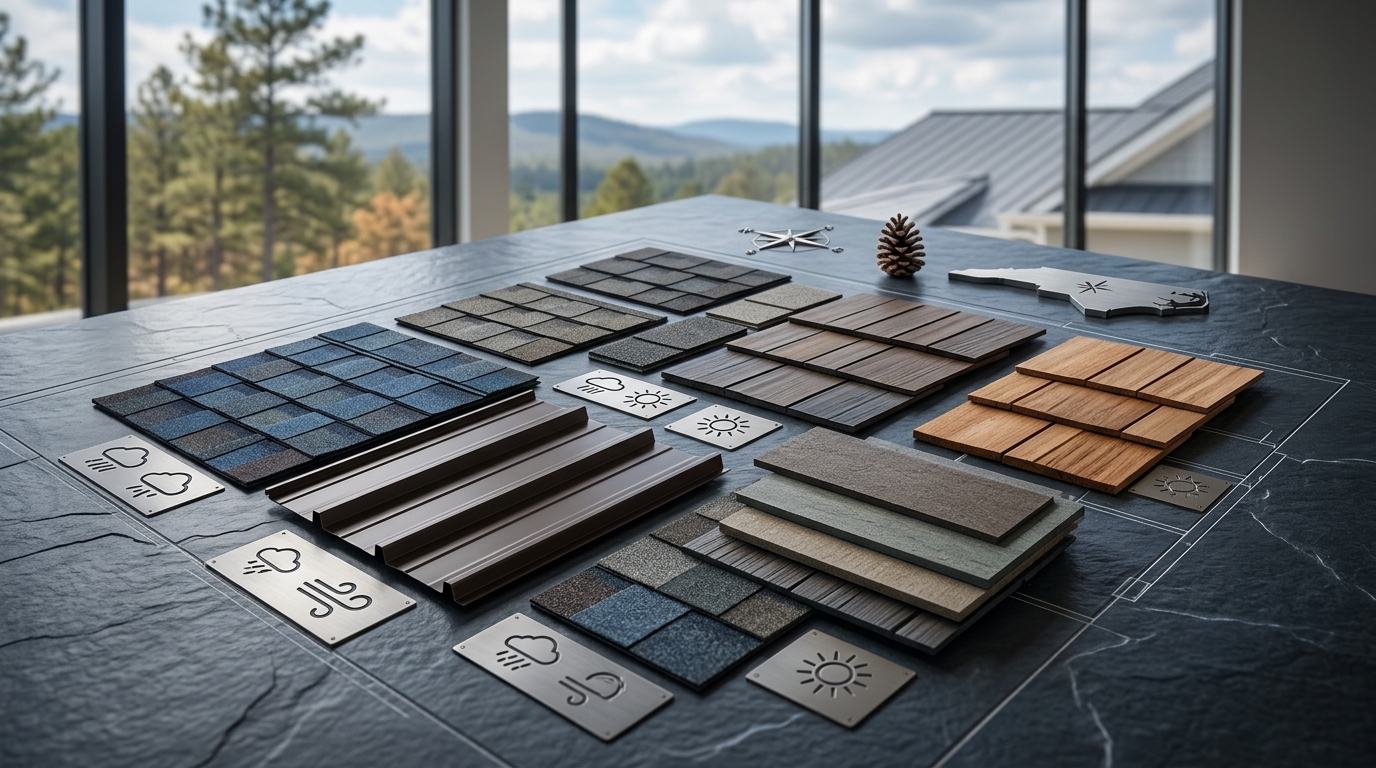
Best Roofing Materials for North Carolina Weather | MJ's Roofing
The Science of Survival: Finding the Best Roofing Materials for North Carolina Weather
For homeowners in North Carolina, a roof is more than just a structural necessity; it is the first line of defense against one of the most volatile climates in the United States. From the humid coastal plains and the hurricane-prone eastern corridor to the fluctuating temperatures of the Piedmont and the heavy snowfalls of the Blue Ridge Mountains, our state demands a lot from its infrastructure. With over 30 years of experience, MJ's Roofing and remodeling has seen firsthand how selecting the best roofing materials for North Carolina weather can mean the difference between a minor maintenance check and a catastrophic structural failure.
Choosing the right material requires a balance of aesthetics, budget, and, most importantly, performance. In this comprehensive guide, we will analyze the top-performing roofing materials through the lens of North Carolina’s unique environmental challenges, helping you make an informed decision that protects your family and your investment for decades to come.
Understanding North Carolina’s Three-Tiered Climate Challenges
Before diving into specific materials, we must understand the "stressors" your roof will face. North Carolina is unique because it experiences high levels of four distinct weather patterns:
- Excessive Humidity: High humidity levels in the summer promote the growth of cyanobacteria (blue-green algae), which creates those unsightly black streaks on roofs.
- Thermal Shock: Rapid temperature shifts—from freezing nights to 60-degree days in the winter—cause roofing materials to expand and contract, leading to cracks and seal failure.
- Hurricane-Force Winds: Coastal and even inland areas (like the Triangle) can experience wind gusts exceeding 90-110 mph during storm season.
- High UV Exposure: Our southern latitude means more intense sunlight, which accelerates the degradation of asphalt and the fading of pigments.
- Pros: Cost-effective, wide variety of colors, 30-50 year warranties, and easy to repair.
- Cons: Shorter lifespan than metal or slate; can be susceptible to "blow-offs" if not installed with high-wind nailing patterns.
- Pros: Lasts 50-70 years, 100% recyclable, exceptional wind resistance, and energy efficient.
- Cons: Higher upfront cost (2-3x the cost of asphalt), and requires specialized installers to prevent expansion/contraction noise.
- Micro-Climate Assessment: Is your home shaded by heavy tree cover (prone to moss) or exposed on a hill (prone to wind)?
- Pitch and Architecture: Low-slope roofs require different waterproofing than steep-pitched roofs.
- Energy Goals: We analyze your current cooling costs to see if a reflective metal roof or radiant barrier underlayment offers a significant ROI.
To navigate these challenges, many homeowners turn to our residential roofing experts to evaluate which system fits their specific micro-climate.
Top Contenders: Best Roofing Materials for North Carolina Weather
1. Architectural Asphalt Shingles (Dimensional Shingles)
Asphalt shingles remain the most popular choice across North Carolina, but not all shingles are created equal. For our climate, "3-tab" shingles are often insufficient. Instead, architectural or dimensional shingles are the gold standard.
Why they work in NC: These shingles consist of multiple layers of material laminated together. This added thickness provides superior wind resistance (often rated up to 130 mph) and better impact resistance against hail. Furthermore, premium manufacturers now incorporate copper granules into the shingles to inhibit the growth of algae, a critical feature for the humid Piedmont region.
2. Standing Seam Metal Roofing
If you are looking for the absolute best roofing materials for North Carolina weather in terms of longevity and storm protection, metal is the clear winner. Unlike corrugated metal sheets seen on barns, residential standing seam metal roofs feature concealed fasteners.
Why it works in NC: Metal is non-combustible (ideal for drought-prone areas) and incredibly efficient at shedding heat. In the peak of a North Carolina July, a metal roof with a "cool roof" coating can reflect up to 70% of solar radiation, significantly lowering cooling costs. Additionally, its interlocking panels are virtually impervious to the heavy rain and wind associated with Atlantic hurricanes.
3. Synthetic/Composite Slate and Shake
Homeowners often love the look of natural cedar shakes or heavy slate but dread the maintenance. Synthetic roofing—made from engineered polymers and recycled rubber—has become a top-tier alternative for luxury NC homes.
Why it works in NC: Natural wood shakes rot and mold in our humidity. Natural slate is incredibly heavy and can crack during freeze-thaw cycles. Synthetic versions offer a Class 4 impact rating (the highest possible) and are completely resistant to mold, rot, and UV degradation. They provide the "Mountain Estate" or "Coastal Cottage" look without the vulnerability.
The NC Performance Matrix: Comparing Material Performance
| Material | Average Lifespan | Wind Resistance | Heat Reflection | Maintenance Needs |
|---|---|---|---|---|
| Architectural Shingles | 25-30 Years | High (Up to 130 mph) | Moderate | Low/Moderate |
| Standing Seam Metal | 50+ Years | Extreme (Up to 150 mph) | Excellent | Very Low |
| Synthetic Composite | 50 Years | High | Moderate/High | Very Low |
| Clay Tile | 75+ Years | High (but heavy) | Excellent | Moderate (fragile) |
Critical Factors Often Overlooked by NC Homeowners
Choosing the right material is only 50% of the battle. The other 50% lies in the system components that allow those materials to thrive in North Carolina's humidity.
Proper Attic Ventilation
In North Carolina, an improperly ventilated roof is a death sentence for any material. Without adequate airflow, attic temperatures can soar to 150 degrees, effectively "cooking" your shingles from the inside out. This leads to premature granule loss and shingle curling. At MJ's Roofing and remodeling, we emphasize a balanced system of intake (soffit) and exhaust (ridge) vents to ensure your roof "breathes."
The Role of Gutters and Drainage
The best roofing materials for North Carolina weather won't protect your foundation if your drainage system fails. Our state's heavy downpours require high-capacity gutters to move thousands of gallons of water away from the home. If you are upgrading your roof, it is often the perfect time to consider professional gutter installation to ensure a holistic water management strategy.
The MJ's Methodology: How We Select Your Ideal Roof
With over three decades of serving the local community, we don't believe in a one-size-fits-all approach. Our process for determining the best material for your specific home includes:
As a company that values transparency, we often encourage clients to read through our about page to understand our commitment to quality craftsmanship. We treat every home as if it were our own, ensuring that the materials selected are backed by industry-leading warranties and installed to exceed local building codes.
Industry Trends: What’s New in 2024 for NC Roofing?
The roofing industry is evolving rapidly. We are seeing a massive shift toward "Cool Roof" technology. These are materials designed with high solar reflectance. In North Carolina, where summer utility bills can be staggering, the adoption of light-colored shingles or reflective metal is no longer just a trend—it's a financial strategy. Furthermore, impact-resistant (IR) shingles are gaining traction as insurance companies begin offering premium discounts for homeowners who install Class 4 rated materials.
FAQs: Common Questions About North Carolina Roofing
What is the most durable roofing material for hurricane-prone areas?
Standing seam metal roofing is widely considered the most durable. Its interlocking panels and lack of exposed fasteners make it incredibly difficult for high winds to catch an edge and lift the material.
How does humidity affect my choice of shingles?
In high-humidity areas, you should look for shingles labeled with "Algae Resistance" (AR). These contain copper granules that prevent the growth of Gloeocapsa magma, the bacteria responsible for dark streaks on roofs.
Is metal roofing louder than shingles when it rains?
This is a common myth. When installed over a solid substrate with proper insulation and underlayment, a metal roof is no louder than an asphalt shingle roof. The attic space and ceiling materials provide the necessary sound dampening.
Can I install a new roof over my old one to save money?
While some codes allow for two layers of shingles, we generally advise against it in North Carolina. A "recover" traps heat between the layers, reducing the lifespan of the new shingles, and prevents us from inspecting the decking for rot or water damage.
Conclusion: Protecting Your Home for the Next 30 Years
Selecting the best roofing materials for North Carolina weather is a decision that impacts your home’s safety, value, and energy efficiency for decades. Whether you choose the rugged durability of metal, the classic versatility of architectural shingles, or the high-end performance of synthetic slate, the key is professional installation and local expertise.
At MJ's Roofing and remodeling, we have spent 30 years perfecting our craft across North Carolina. We understand the wind patterns, the humidity levels, and the building codes that matter most. Don't leave your home's protection to chance. Contact us today for a comprehensive consultation and let our experts help you choose the roof that will stand the test of time and weather.