
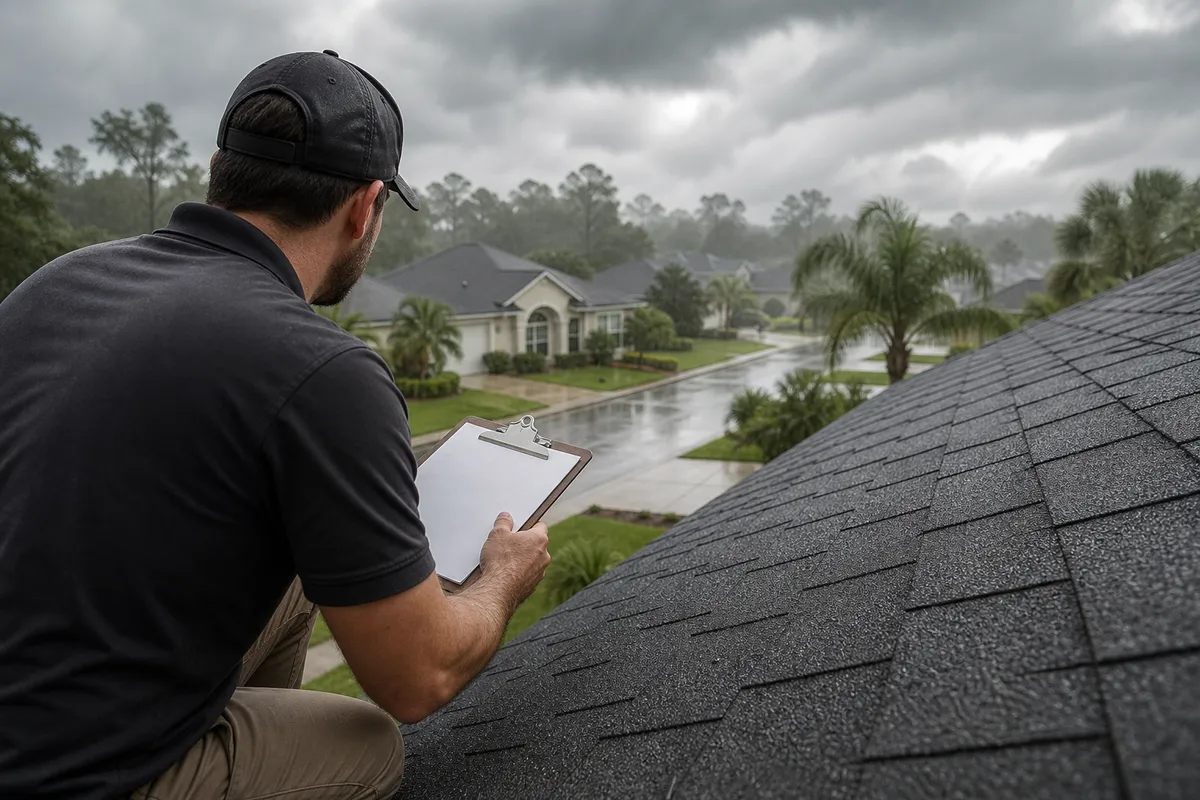
Best Roofing Materials for High Humidity Climates
Humidity does not stay politely outdoors. In North Carolina, warm moist air, frequent rain, shade from mature trees, and long cooling seasons can turn a roof into a persistent moisture-management system. That is why choosing the best roofing materials for high humidity climates is about more than curb appeal or the lowest initial price. The right system must shed water quickly, dry effectively, resist biological growth, and protect the roof deck from condensation.
For more than 30 years, Mj's Roofing and remodeling has helped homeowners evaluate roofs based on the conditions they actually face—not just a brochure’s projected lifespan. A qualified residential roofing contractor looks at roof pitch, attic ventilation, tree cover, drainage, local wind exposure, and the existing deck before recommending a material. In a humid climate, those details often matter as much as the shingles or panels visible from the street.
Why Humidity Changes the Roofing Decision
High relative humidity creates several connected risks. Rain and dew wet the roof surface from above, while indoor air can carry moisture into an attic from below. When warm, humid air meets a cooler surface, condensation may form. If that moisture cannot leave the assembly, it can contribute to mold, mildew odor, deck deterioration, rusted fasteners, wet insulation, and shortened material life.
The best roofing materials for high humidity climates must work with the whole roof assembly. A durable covering can still fail early if valleys retain debris, gutters overflow, flashing is poorly integrated, or attic ventilation is inadequate. Conversely, a well-designed system can help a quality material perform closer to its intended service life.
The humid-climate threats every roof must handle
- Algae and moss: Dark streaks are frequently caused by algae, especially on shaded slopes. Moss can hold water against the surface and lift shingle edges as it grows.
- Wind-driven rain: Storm rain can enter at vulnerable transitions, including chimneys, pipe boots, skylights, wall intersections, and valleys.
- Slow drying: High overnight humidity and shade can keep roof surfaces damp long after a storm has passed.
- Condensation: Moisture moving from living spaces into the attic can condense on framing or roof sheathing when temperatures differ.
- Corrosion: Humid air and standing water can accelerate corrosion on poorly selected or improperly installed metal components.
Quick Comparison: Best Roofing Materials for High Humidity Climates
| Material | Moisture and algae resistance | Key advantage | Main consideration | Best fit |
|---|---|---|---|---|
| Architectural asphalt shingles with algae resistance | Good | Strong value and broad design selection | Needs correct ventilation and periodic cleaning awareness | Most sloped residential roofs |
| Standing-seam metal | Excellent | Sheds water quickly; low biological-growth potential | Requires skilled flashing and compatible fasteners | Long-term residential and light commercial projects |
| Clay or concrete tile | Excellent at the surface | Long-lasting, non-organic covering | Weight, structure, underlayment, and installation complexity | Homes engineered for tile loads |
| Synthetic slate or shake | Very good | Moisture-resistant appearance of premium natural materials | Quality varies by product and installation system | Design-focused homes seeking low absorption |
| Slate | Excellent | Natural stone does not rot | High weight, specialty installation, and cost | Appropriate structures and premium restoration work |
| Single-ply membrane roofing | Very good | Continuous waterproofing for low-slope roofs | Seams, drains, and penetrations demand careful detailing | Commercial and low-slope applications |
1. Architectural Asphalt Shingles: The Practical Humid-Climate Choice
Architectural asphalt shingles remain among the best roofing materials for high humidity climates when homeowners need dependable performance, flexible style options, and a manageable budget. The best selections for humid regions include algae-resistant granules, often incorporating copper-containing technology that discourages the organisms responsible for common black streaking.
Asphalt shingles do not make moisture concerns disappear. Their performance depends heavily on underlayment, ice-and-water protection where appropriate, balanced intake and exhaust ventilation, and accurate nailing. Shingles also need clear drainage paths: leaves trapped in valleys or backed-up gutters can keep lower courses wet and promote staining.
Advantages
- Widely available in colors and profiles suited to many homes.
- Algae-resistant product lines can improve appearance in shaded, damp conditions.
- Repairs are typically more straightforward than with some specialty materials.
- Compatible with most conventional steep-slope roof structures.
Limitations
- Persistent shade and trapped debris can still encourage algae or moss.
- Low-quality shingles and weak ventilation can reduce long-term performance.
- Cleaning methods must be selected carefully; aggressive pressure washing can damage shingles.
For many North Carolina homes, algae-resistant architectural shingles paired with proper ventilation are the most balanced answer to the question of the best roofing materials for high humidity climates.
2. Standing-Seam Metal: Outstanding Water Shedding and Low Maintenance
Standing-seam metal is often a leading choice among the best roofing materials for high humidity climates because it is non-porous, smooth, and highly effective at moving water off the roof. Its concealed-fastener design reduces the number of exposed penetration points compared with some other metal-panel systems.
Humidity does not harm a properly specified metal roof in the way it can affect organic materials, but specification matters. Panels, trim, clips, fasteners, and flashing should be compatible to reduce corrosion risks. Coastal or highly corrosive environments may require additional product-selection considerations. Properly detailed valleys, penetrations, transitions, and ventilation remain essential.
Why metal performs well in wet conditions
- The surface does not absorb water.
- Water and many types of debris shed quickly on adequately sloped roofs.
- Algae and moss generally find fewer places to establish than on granular surfaces.
- Reflective finishes can support heat-management goals when selected for the project.
Metal roofing carries a higher initial cost than many shingle systems, and it is not a shortcut for poor roof design. Still, for homeowners prioritizing long-term moisture resistance, it is one of the strongest options available.
3. Tile, Synthetic Roofing, and Slate: Premium Moisture-Resistant Options
Tile, synthetic slate, synthetic shake, and natural slate can all rank among the best roofing materials for high humidity climates because their visible surfaces resist rot and moisture absorption better than many organic alternatives. Each requires a project-specific assessment rather than a one-size-fits-all recommendation.
Clay and concrete tile
Tile provides a durable, non-organic exterior covering and can create airflow beneath the tile depending on the installation approach. However, tile roofing is heavy. The framing must be evaluated for the selected assembly, and the underlayment beneath the tile is a critical waterproofing component. Broken tiles, debris accumulation, and flashing details still require maintenance attention.
Synthetic slate and shake
High-quality composite roofing can offer the visual character of slate or cedar without the moisture absorption and decay susceptibility of natural wood. This makes it attractive where humidity, shade, and biological growth are concerns. Material quality, manufacturer installation requirements, and installer experience should guide the decision.
Natural slate
Natural slate is stone, so it will not rot. It is exceptionally durable when installed with appropriate underlayment, flashings, fasteners, and structural support. Its cost, weight, and specialized labor needs mean it is generally best for projects where the home and budget are suited to a premium system.
4. Low-Slope Roofs Need a Different Material Strategy
The best roofing materials for high humidity climates depend on roof slope. Shingles, tiles, and many panel systems rely on gravity to move water away. Low-slope roofs need a more continuous waterproofing approach, such as properly designed single-ply membranes or other commercial roofing assemblies appropriate to the structure.
On these roofs, drainage design is central. Ponding water, blocked scuppers, undersized drains, and failing seams can create ongoing moisture exposure. Building owners should work with professionals experienced in commercial roofing systems to evaluate membrane condition, flashings, edge metal, penetrations, insulation, and drainage as a complete assembly.
The Humidity-Ready Roof Framework: How to Choose Correctly
Rather than selecting a product based on appearance alone, use this five-step framework to narrow down the best roofing materials for high humidity climates.
Step 1: Map moisture sources
Look beyond rain. Identify dense tree cover, north-facing slopes, nearby bodies of water, roof valleys, chimney shadows, bathroom exhaust routes, and any signs of attic condensation. A roof with little sunlight may benefit from a surface that is especially resistant to algae and easy to maintain.
Step 2: Confirm roof geometry and drainage
Steep roofs shed water faster, while low-slope areas require specialized materials and drainage. Complex intersections add flashing needs. Valleys should remain clear, and gutters should be sized and positioned to carry water away from the structure.
Step 3: Design the roof assembly, not just the surface
Specify the deck condition, underlayment, leak barriers, flashings, ventilation, and intake/exhaust balance alongside the visible roofing material. Indoor humidity should also be managed with appropriate ventilation of kitchens, bathrooms, and laundry areas—never by venting moist air directly into the attic.
Step 4: Compare lifecycle value
Evaluate installation quality, maintenance demands, repairability, potential energy implications, and expected service conditions. The least expensive roof today may not be the best value if it requires frequent attention in a shaded, wet setting.
Step 5: Match maintenance to the material
Even the best roofing materials for high humidity climates benefit from regular observation. Check after major storms, remove loose debris carefully, watch for algae or moss, and schedule professional inspections when you see lifted materials, interior staining, granule accumulation, or drainage problems.
Don’t Overlook Gutters, Ventilation, and Flashing
A roof covering cannot compensate for water that has nowhere to go. Clogged gutters can force water beneath roof edges or onto siding and foundations. Clean, correctly sloped gutters and well-placed downspouts help protect the roof perimeter and exterior envelope. Professional gutter and gutter guard solutions can reduce debris buildup while supporting reliable drainage.
Ventilation also deserves careful attention. The goal is not simply to add more vents; it is to create a balanced path for air movement based on the attic configuration and code requirements. In humid climates, air sealing the ceiling plane and controlling indoor moisture are just as important as ridge and soffit ventilation. A knowledgeable contractor should assess the whole system before recommending changes.
Common Mistakes When Selecting Roofing for Humid Areas
- Buying by color alone: A dark roof may show algae differently, but color alone does not determine moisture performance.
- Assuming “mold resistant” means maintenance free: Every roof needs drainage, debris control, and periodic review.
- Ignoring the attic: Condensation problems often begin below the roof covering.
- Using the wrong cleaning method: High pressure and harsh methods can damage certain materials or void manufacturer guidance.
- Skipping flashing evaluation: Most roof leaks occur at transitions and penetrations, not in the middle of an intact field of material.
FAQ: Best Roofing Materials for High Humidity Climates
What roofing material is least likely to grow algae in a humid climate?
Standing-seam metal, tile, slate, and quality synthetic products are less hospitable to algae because they do not have the same granular, moisture-holding surface as asphalt shingles. Algae-resistant architectural shingles are still a practical and popular choice, especially when roof drainage, sunlight exposure, and maintenance are considered.
Are metal roofs good for humid climates?
Yes. Metal roofing is one of the best roofing materials for high humidity climates because it is non-porous and sheds water effectively. Proper installation is essential, including compatible components, accurate flashing, and attention to condensation control within the roof assembly.
Can attic ventilation stop roof mold?
Ventilation can help manage heat and moisture, but it is not a cure-all. Effective moisture control also involves air sealing, properly vented bathrooms and kitchens, adequate insulation, drainage, and correction of roof leaks. A professional evaluation can identify the actual moisture source.
Should I replace a roof just because it has black streaks?
Not necessarily. Black streaks may be algae rather than a failure of the roof covering. However, a professional inspection is wise if the roof is aging or also shows curling, missing shingles, leaks, soft decking, excessive granule loss, or damaged flashing.
Choose a Roof Built for North Carolina Moisture
The best roofing materials for high humidity climates are those matched to your home’s slope, structure, shade, drainage, ventilation, and long-term goals. For many homes, algae-resistant architectural shingles offer dependable value. For owners seeking maximum water shedding and low biological-growth potential, standing-seam metal is often an excellent investment. Tile, synthetic systems, slate, and specialized low-slope membranes can be the right answer in the right application.
Mj's Roofing and remodeling can help you evaluate the complete roofing system—not just select a material from a sample board. If you are seeing moisture stains, algae growth, drainage issues, storm damage, or signs of roof aging, contact Mj's Roofing and remodeling for a professional roofing consultation and a recommendation tailored to your North Carolina property.