
Best Roofing Materials for North Carolina Humidity | MJ's Roofing
Understanding the Impact of the North Carolina Climate on Your Roof
North Carolina is a state of breathtaking beauty, from the Blue Ridge Mountains to the Outer Banks. However, for homeowners, the climate presents a unique set of challenges—specifically, the relentless humidity. When searching for the best roofing materials for North Carolina humidity, it is not just about aesthetics; it is about moisture management, thermal expansion, and resisting the biological growth that thrives in a damp environment. At Mj's Roofing and remodeling, we have spent over 30 years protecting homes across the state, and we understand that a roof in North Carolina must do more than shed water; it must breathe, resist mold, and withstand intense heat.
Humidity is the silent enemy of the roofing system. High moisture levels in the air can lead to wood rot, shingle degradation, and the dreaded 'black streaks' caused by algae. Choosing the right material requires a deep understanding of local weather patterns. Whether you are looking for residential roofing solutions that lower your cooling costs or a durable system that lasts for decades, selecting a material specifically engineered for the Southeast is critical.
Why Humidity is a Threat to North Carolina Roofs
Before diving into specific materials, it is essential to understand why North Carolina’s humidity is particularly taxing on a roofing system. In regions like the Research Triangle, humidity levels often hover between 60% and 90% during the summer months. This high moisture content creates a 'sauna effect' in attics and on roof surfaces.
1. Biological Growth: Gloeocapsa Magma
If you have noticed black streaks on your roof, you aren't seeing dirt; you are seeing Gloeocapsa magma. This is a type of cyanobacteria that feeds on the limestone filler used in modern asphalt shingles. In high humidity, this algae flourishes, not only ruining your home's curb appeal but also absorbing heat and causing premature granule loss.
2. Thermal Shock and Expansion
The humidity often traps heat, leading to significant temperature swings between day and night. When a roof heats up to 150°F during a humid July afternoon and cools down quickly during a thunderstorm, the materials expand and contract. Over time, this 'thermal shock' leads to cracks, splits, and warped shingles if the material isn't suited for the climate.
3. Moisture Infiltration and Rot
In North Carolina, the air is often saturated. If a roofing system lacks proper ventilation or utilizes porous materials, moisture can seep into the decking. This leads to structural rot, mold in the attic, and a compromised building envelope. For those looking for an Apex roofing contractor who understands these local nuances, the choice of material is the first line of defense.
The Best Roofing Materials for North Carolina Humidity: Top Recommendations
As experts with three decades of experience, we have monitored the performance of various materials across the state. Below is our authoritative breakdown of the top-performing roofing materials for our specific climate.
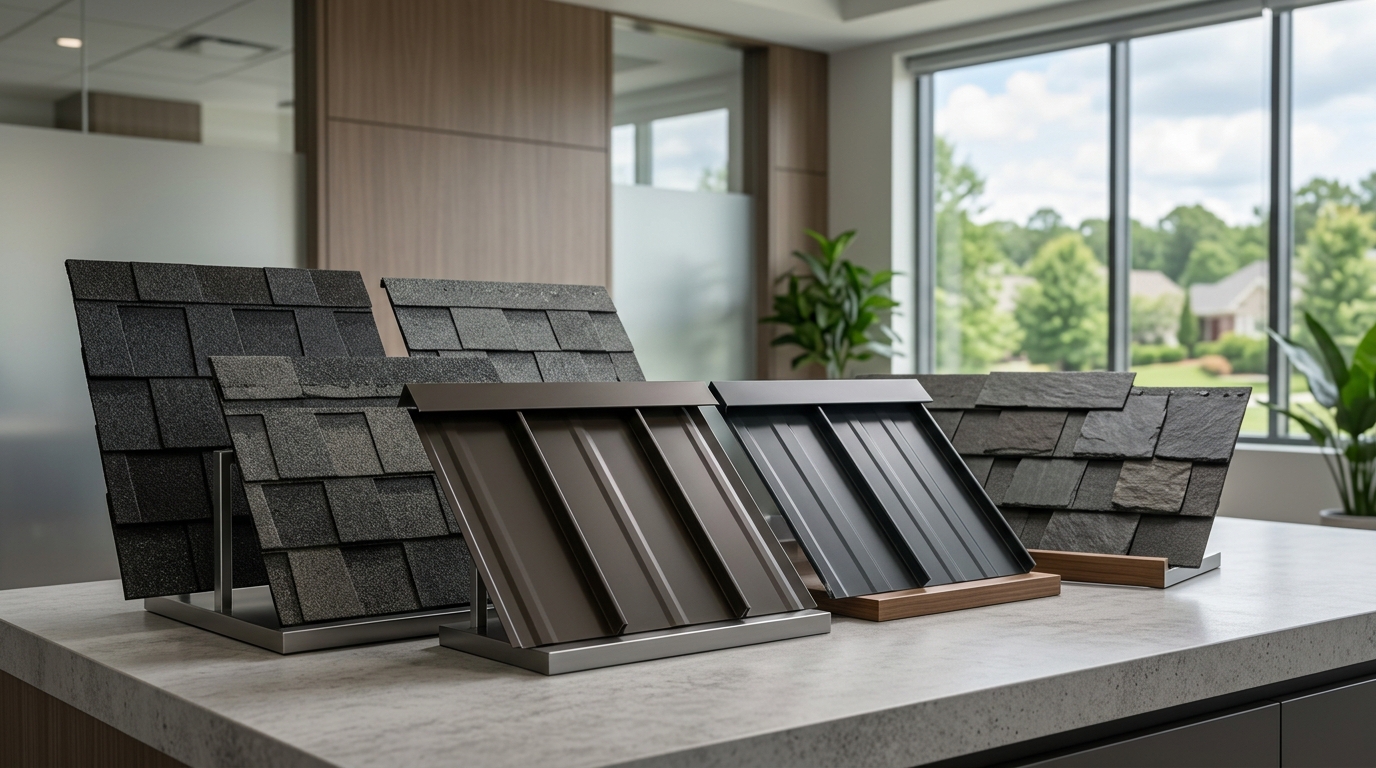
1. Algae-Resistant (AR) Asphalt Shingles
Asphalt shingles remain the most popular choice due to their cost-effectiveness and versatility. However, not all shingles are created equal. For North Carolina, we recommend shingles with built-in algae resistance.
- Copper and Zinc Granules: High-quality AR shingles are manufactured with copper or zinc granules. When it rains, these metals release ions that prevent algae from taking root.
- Performance: Excellent for humidity as long as they are paired with high-quality underlayment.
- Pros: Affordable, wide range of colors, easy to repair.
- Cons: Shorter lifespan than metal or slate (typically 20-30 years).
2. Metal Roofing (Standing Seam)
Metal is arguably the gold standard for humid environments. Unlike organic materials, metal is completely impervious to mold, rot, and insect damage. It is also a 'cool roof' material, reflecting solar radiation back into the atmosphere.
- Moisture Management: Standing seam metal roofs feature concealed fasteners, which significantly reduces the risk of leaks compared to exposed fastener systems.
- Durability: Can last 50-70 years with minimal maintenance.
- Pros: Fire-resistant, environmentally friendly, extremely durable against high winds and heavy humidity.
- Cons: Higher upfront cost than asphalt.
3. Synthetic Slate and Composite Shingles
For homeowners who want the look of natural slate or cedar shakes without the moisture-retention issues, synthetic materials are a game-changer. These are often made from engineered polymers and recycled rubber.
- Zero Absorption: Unlike wood shakes, which can rot in NC's humidity, synthetic materials have a 0% water absorption rate.
- Lightweight: They provide the aesthetic of heavy slate without requiring additional structural support.
4. Clay and Concrete Tiles
While more common in the coastal regions, clay and concrete tiles are naturally resistant to the elements. They allow for natural airflow underneath the tiles, which helps dissipate heat and moisture.
Comparison Table: Humidity Resistance by Material
| Material | Algae Resistance | Heat Reflection | Avg. Lifespan (NC) | Maintenance Level |
|---|---|---|---|---|
| AR Asphalt Shingles | Moderate to High | Low | 20-25 Years | Moderate |
| Standing Seam Metal | Very High | High | 50+ Years | Low |
| Synthetic Composite | High | Moderate | 40-50 Years | Low |
| Natural Slate | Very High | Moderate | 75+ Years | Moderate |
The MJ’s Methodology: Choosing Your Roof System
At Mj's Roofing and remodeling, we don't just 'install shingles.' We design a roofing system. When we evaluate a home for its ability to handle North Carolina's humidity, we follow a specific four-step methodology:
Step 1: The Ventilation Audit
The best roofing materials for North Carolina humidity will fail if the attic isn't ventilated. We calculate the intake and exhaust requirements to ensure moisture-laden air is constantly cycled out. Without this, your roof will essentially 'cook' from the inside out.
Step 2: Underlayment Selection
We move beyond standard felt paper. For humid climates, we utilize synthetic underlayment that acts as a secondary water barrier while remaining breathable enough to prevent wood rot.
Step 3: Flashing and Gutter Integration
Moisture often collects at the eaves and valleys. We ensure your gutter installation is perfectly integrated with the roof line. Efficient drainage is the only way to prevent humidity from turning into standing water damage.
Step 4: Regional Material Matching
A home in the mountains of North Carolina has different needs than a home in the humid plains. We match the material grade to your specific micro-climate, ensuring the highest ROI for your investment.
The Critical Role of Ventilation in Humid Climates
You cannot talk about the best roofing materials for North Carolina humidity without talking about airflow. In many older NC homes, poor ventilation leads to shingles curling and granules falling off years before they should. A well-ventilated roof can be 20 to 40 degrees cooler than a poorly ventilated one.
- Ridge Vents: These allow hot air to escape from the highest point of the roof.
- Soffit Vents: These draw cool air in from the bottom.
- Solar Powered Attic Fans: In extreme humidity, active ventilation can be a lifesaver, mechanically pulling moisture out of the attic space.
Maintaining Your Roof in High Humidity
Even with the best materials, North Carolina's environment requires vigilance. We recommend a bi-annual inspection to look for:
- Debris buildup in valleys (which holds moisture).
- Algae growth starting on the north-facing side of the roof.
- Clogged gutters that cause water to back up under the shingles.
If you are unsure of your roof's current condition, our team provides comprehensive roofing and exterior services to ensure your home remains protected through every season.
Frequently Asked Questions
What is the most mold-resistant roofing material?
Metal roofing is naturally the most mold-resistant material because it is non-porous and inorganic. However, high-quality asphalt shingles with copper-infused granules are also very effective at preventing algae and mold growth in humid environments.
How often should I clean my roof in North Carolina?
In high-humidity areas, we recommend a professional soft-wash every 3 to 5 years if you notice algae growth. Never use a high-pressure power washer, as this can strip the protective granules off your shingles and void your warranty.
Does humidity affect roof warranties?
Humidity itself usually doesn't void a warranty, but 'improper ventilation'—which causes heat and moisture damage—is one of the most common reasons manufacturers deny warranty claims. It is vital to have your roof installed by certified professionals who follow strict ventilation codes.
Can I install a metal roof over my existing shingles to save money?
While possible in some cases, it is generally not recommended in humid climates like North Carolina. Trapping old, potentially moisture-damaged shingles under a new metal roof can lead to condensation issues and rot. A full tear-off is always the best practice for long-term health.
Conclusion: Protect Your Home with the Right Foundation
Choosing the best roofing materials for North Carolina humidity is a significant decision that affects your home's longevity, energy efficiency, and structural integrity. From algae-resistant shingles to high-performance metal systems, the right choice depends on your budget, aesthetic goals, and the specific needs of your property.
With over 30 years of experience, MJ's Roofing and remodeling has the local expertise to guide you through this process. Don't let North Carolina's humidity compromise your biggest investment. Contact us today for a professional consultation and let us help you build a roof that stands the test of time.
Ready to upgrade your home’s protection? Contact MJ's Roofing and remodeling today for a free estimate or to discuss the best materials for your upcoming project.