
Best Roofing Materials for North Carolina Humidity and Heat
North Carolina is a state of breathtaking landscapes, but for homeowners, it presents a unique set of architectural challenges. From the salt air of the coast to the dense humidity of the Piedmont and the intense sun of the plains, our climate is notoriously hard on building materials. At Mj's Roofing and remodeling, we have spent over 30 years protecting homes across the state. We have seen firsthand how the wrong choice in materials can lead to premature failure, skyrocketing energy bills, and structural damage.
Choosing the best roofing materials for North Carolina humidity and heat isn't just about aesthetics; it is about choosing a system that can withstand thermal shock, resist biological growth, and reflect the punishing summer sun. In this comprehensive guide, we will break down the top-performing materials specifically for the NC climate, helping you make an informed investment in your home’s longevity. If you are ready to upgrade your home's protection, our team specializes in residential roofing solutions tailored to these exact conditions.
The Science of the North Carolina Climate: Why Your Roof is Under Attack
Before diving into specific materials, it is crucial to understand what we are fighting against. North Carolina falls into a humid subtropical climate zone. This means our roofs face two primary enemies: High Relative Humidity and Extreme Solar Radiation.
The Impact of Humidity and Moisture
In North Carolina, humidity levels often hover between 60% and 90%. When moisture remains trapped in the air, it creates a breeding ground for cyanobacteria, specifically Gloeocapsa magma. This is the organism responsible for those unsightly black streaks you see on many roofs. Beyond aesthetics, this bacteria feeds on the limestone filler in many asphalt shingles, slowly eating away at the structural integrity of the roof. Furthermore, high humidity prevents the roof deck from drying out properly, which can lead to wood rot if the ventilation system is inadequate.
Thermal Expansion and the Heat Factor
On a 90-degree day in Raleigh or Durham, your roof temperature can easily exceed 150 degrees Fahrenheit. This intense heat causes materials to expand. When a sudden afternoon thunderstorm rolls in—a common occurrence in NC—the temperature drops rapidly, causing the material to contract. This cycle, known as thermal shock, can cause shingles to crack, fasteners to loosen, and sealants to fail prematurely.
Top-Rated Materials: Best Roofing Materials for North Carolina Humidity and Heat
Through three decades of service, we have identified several materials that consistently outperform the rest when subjected to the NC elements. Here is a breakdown of the top contenders.
1. Architectural Asphalt Shingles (Algae-Resistant)
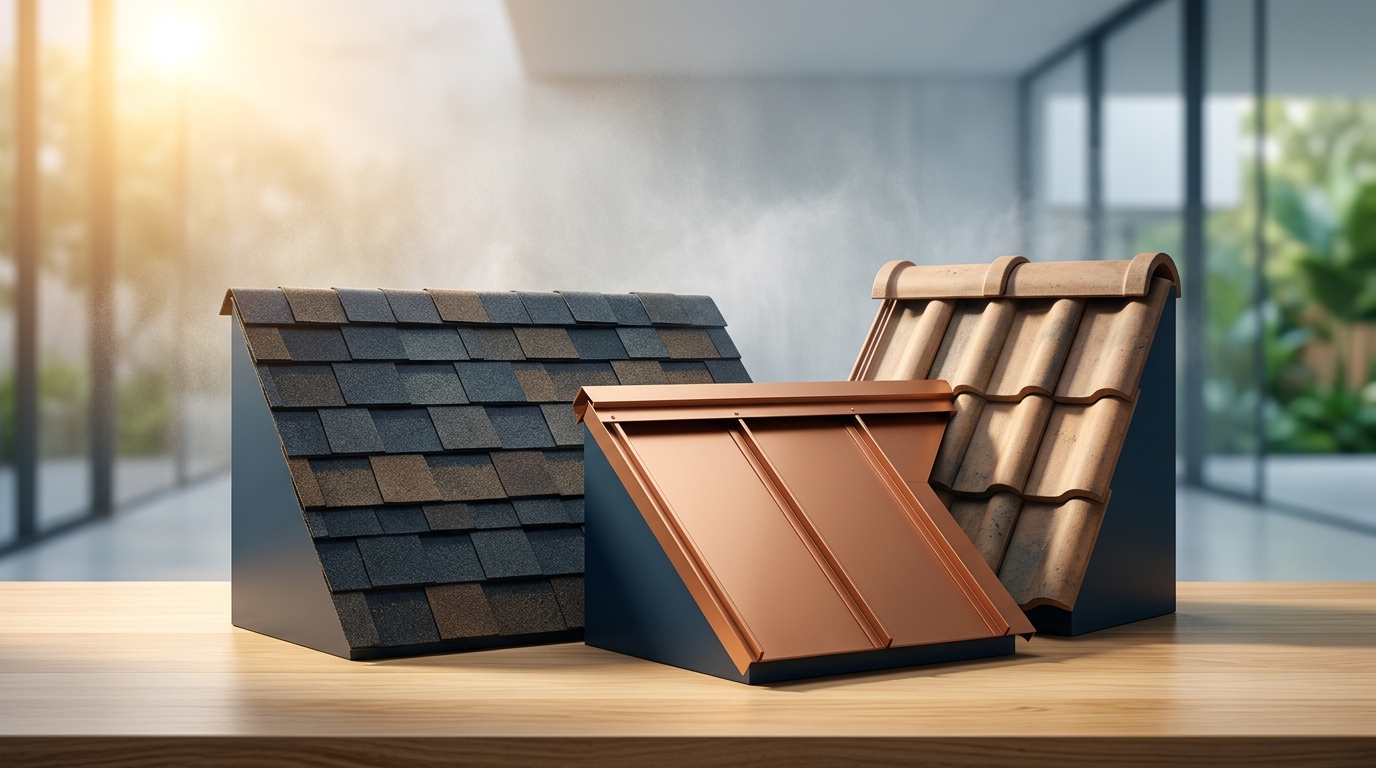
Asphalt shingles remain the most popular choice due to their cost-effectiveness and versatility. However, not all shingles are created equal. For North Carolina, we recommend high-quality architectural (laminated) shingles that feature copper-infused granules. These granules are specifically designed to inhibit the growth of algae and moss, keeping your roof looking new despite the humidity.
- Pros: Affordable, wide variety of colors, 30-50 year warranties, easy to repair.
- Cons: Shorter lifespan than premium materials, prone to thermal shock if low quality.
2. Standing Seam Metal Roofing
If you are looking for the absolute best performance against heat, metal is the clear winner. Metal roofing is highly reflective. Modern "Cool Roof" coatings can reflect up to 70% of solar radiation, significantly reducing the heat transferred into your attic. Because metal is non-porous, it is also completely resistant to the mold and mildew issues that plague asphalt in humid environments.
- Pros: Can last 50+ years, excellent energy efficiency, fire-resistant, 100% recyclable.
- Cons: Higher upfront cost, requires expert installation to manage expansion and contraction.
3. Slate and Synthetic Slate
Slate is a natural stone, making it impervious to the rot and insect damage that high humidity can encourage. While natural slate is incredibly heavy and expensive, synthetic slate offers a middle ground. Made from engineered polymers, synthetic slate provides the same aesthetic and durability but with built-in UV inhibitors that prevent the material from becoming brittle under the North Carolina sun.
4. Concrete and Clay Tiles
Commonly seen in warmer coastal climates, clay and concrete tiles are exceptional at managing heat. The shape of the tiles allows for natural airflow underneath the material, creating a thermal barrier between the sun and the roof deck. This is a fantastic option for homeowners looking for a Mediterranean or Spanish aesthetic while prioritizing thermal performance.
Comparative Analysis: Roofing Materials for the NC Climate
| Material | Heat Reflectivity | Humidity Resistance | Average Lifespan | Price Point |
|---|---|---|---|---|
| Architectural Shingles | Moderate | High (w/ Algae Resistance) | 20-30 Years | $ |
| Standing Seam Metal | Excellent | Superior | 50+ Years | $$$ |
| Synthetic Slate | High | Superior | 40-50 Years | $$ |
| Clay/Concrete Tile | Excellent | High | 50+ Years | $$$ |
The Role of Ventilation in Combating Humidity
No matter which of the best roofing materials for North Carolina humidity and heat you choose, your roof will fail prematurely without proper ventilation. In our state, an attic that cannot breathe becomes a pressure cooker. This heat doesn’t just bake your shingles from the inside out; it also causes moisture to condense on the underside of the roof deck, leading to mold and structural rot.
At Mj's Roofing and remodeling, we implement a balanced ventilation strategy for every project. This typically involves a combination of intake vents (under the eaves) and exhaust vents (at the ridge). This natural convection allows hot, moist air to escape while drawing in cooler, drier air. To learn more about how we approach these structural challenges, visit our About Us page to see our commitment to quality craftsmanship.
Beyond the Shingles: The Importance of Gutters and Exterior Care
In North Carolina, the heat and humidity don’t just affect the roof surface. Torrential summer rains can overwhelm a home’s drainage system, leading to water backing up under the shingles or damaging the fascia and siding. This is why integrated exterior remodeling is often the best approach to home protection.
Ensuring you have high-capacity gutters and effective gutter guards is essential to prevent water from lingering near your roofline. Moisture that sits in clogged gutters increases the local humidity at the roof edge, which can rot out the starter shingles and the roof deck. We recommend checking your gutter system alongside any roofing upgrade to ensure a complete moisture-management solution.
Actionable Checklist for NC Homeowners
If you are evaluating your current roof or planning a replacement, use this framework to ensure your home is prepared for the next North Carolina summer:
- Inspect for Algae: Are there black streaks? If so, your current shingles likely lack copper granules.
- Check Attic Temperature: On a sunny afternoon, is your attic significantly hotter than the outside air? This indicates a ventilation failure.
- Evaluate Shingle Condition: Look for "granule loss" in your gutters. High heat causes the asphalt to dry out and shed its protective stones.
- Review Energy Bills: Sudden spikes in cooling costs often correlate with a roof that is absorbing too much solar heat.
Frequently Asked Questions About NC Roofing
Does color really matter for heat absorption?
Yes, significantly. A lighter-colored roof can be 20 to 30 degrees cooler than a dark-colored roof of the same material. However, with modern "Cool Roof" technology, even some darker metal and shingle options are now engineered to reflect UV rays effectively.
How often should I have my roof inspected in North Carolina?
Given our heavy storm seasons and high humidity, we recommend a professional inspection every 1-2 years. Early detection of minor UV cracks or algae growth can save you thousands in premature replacement costs.
Can I install a metal roof over my existing shingles to save money?
While it is possible in some cases, we generally advise against it in high-humidity areas like NC. Trapping an old layer of shingles can create a moisture sandwich that leads to deck rot. A full tear-off allows us to inspect the decking and ensure the new system is perfectly sealed.
Trust Mj's Roofing and remodeling for Your Next Project
Choosing the right material is only half the battle. The quality of the installation determines whether those materials will actually perform as advertised. With over 30 years of experience, Mj's Roofing and remodeling understands the nuances of the North Carolina environment. We don’t just install roofs; we build protection systems designed to last.
Whether you are in Apex, Cary, Durham, or the surrounding areas, we are ready to provide the expertise you need. Don’t wait for the next heatwave to realize your roof isn’t up to the task. Contact us today for a professional consultation and discover why we are the trusted name in North Carolina roofing.