
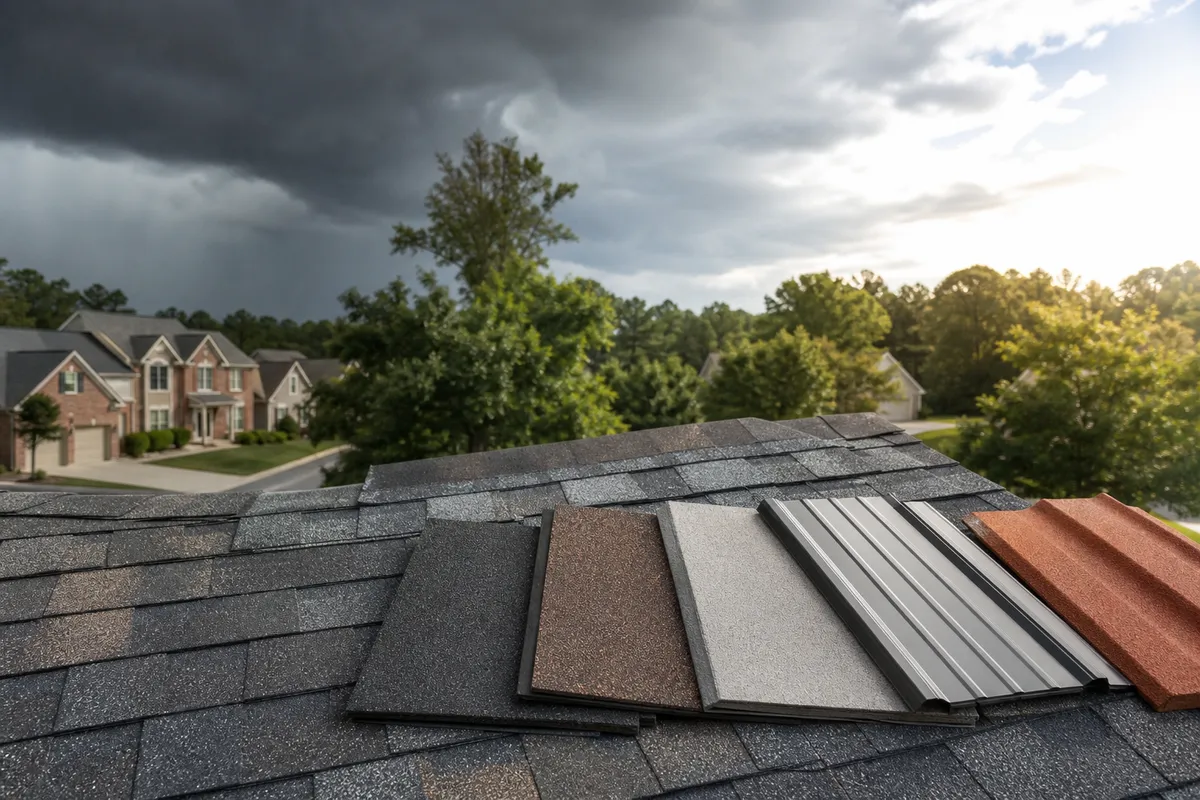
Best Roofing Materials for North Carolina Weather
Choosing the Right Roof for North Carolina’s Climate
North Carolina’s climate is a unique blend of humidity, strong storms, and seasonal temperature swings. From the mountains in the west to the coastal plains in the east, homeowners face a range of weather challenges that can test even the most durable roofing systems. Selecting the best roofing materials for North Carolina weather means understanding how different materials perform under local conditions, not just relying on general recommendations.
At MJ’s Roofing & Remodeling, we’ve spent over 30 years working with homeowners across the state, and we’ve seen firsthand which materials stand up to our unpredictable weather patterns. This guide breaks down the top options, their pros and cons, and how to match them to your specific region and needs.
Understanding North Carolina’s Weather Challenges
The state falls under a humid subtropical climate zone, which brings hot, humid summers and mild winters. However, the real challenge lies in the extremes: hurricanes along the coast, ice storms in the mountains, and frequent thunderstorms throughout the year. UV exposure is also intense, especially during summer months, causing many materials to degrade faster than expected.
According to the National Oceanic and Atmospheric Administration (NOAA), North Carolina ranks among the top 10 states for weather-related insurance claims. This makes choosing the right roofing material not just about aesthetics or upfront cost—it’s about long-term protection and peace of mind.
Top Roofing Materials for North Carolina Homes
1. Architectural Shingles
Architectural shingles are a popular choice for North Carolina homeowners due to their balance of affordability, durability, and performance. These shingles are thicker than standard 3-tab shingles and feature a layered design that mimics the look of wood or slate.
- Pros: Excellent wind resistance (up to 130 mph), good fire rating, wide variety of colors and styles
- Cons: May not last as long as metal or tile in coastal environments; susceptible to algae growth in humid areas
- Lifespan: 30–50 years depending on quality and maintenance
2. Metal Roofing
Metal roofing has gained popularity in recent years, particularly in coastal and high-wind areas. Modern metal roofs come in standing seam panels or corrugated sheets and are made from steel, aluminum, or copper.
- Pros: Exceptional durability, excellent resistance to wind, fire, and moisture; reflective properties can reduce cooling costs
- Cons: Higher initial cost; noise during heavy rain or hail without proper insulation
- Lifespan: 40–70 years
3. Clay and Concrete Tiles
Clay and concrete tiles offer a distinctive appearance and are highly durable. They’re commonly seen in newer developments, especially in the Piedmont region.
- Pros: Fire-resistant, long-lasting, attractive Mediterranean or Spanish-style look
- Cons: Very heavy—requires reinforced roof structure; expensive to install and repair
- Lifespan: 50–100 years
4. Synthetic Roofing
Synthetic roofing materials are engineered to replicate the look of natural materials like slate or wood while offering improved performance characteristics. These products are typically made from recycled plastics, rubber, or composite materials.
- Pros: Lightweight, low maintenance, resistant to insects and rot
- Cons: Still relatively new; limited track record compared to traditional materials
- Lifespan: 30–50 years
5. Slate Roofing
Slate is one of the most premium roofing materials available. It offers unmatched longevity and elegance but comes with significant installation and maintenance considerations.
- Pros: Extremely durable, fire-resistant, natural beauty, virtually maintenance-free
- Cons: Very heavy, very expensive, requires specialized installation
- Lifespan: 75–200 years
Regional Considerations Across North Carolina
The best roofing material for your home depends heavily on where you live within the state. Here’s what we recommend based on common regional challenges:
Coastal Areas (Coastal Plain Region)
Homes near the coast deal with salt air, high humidity, and hurricane-force winds. Metal roofing and concrete tiles perform well here, while wood shakes should be avoided due to rot risk.
Piedmont Region
This central area experiences moderate temperatures and occasional severe storms. Architectural shingles and metal roofing are both solid choices, with synthetic options gaining traction for their versatility.
Mountain Region
In western North Carolina, homes face ice damming risks and occasional snow loads. Metal roofing excels here because it sheds snow and ice efficiently, reducing potential damage.
Maintenance Tips for Longevity
No matter which material you choose, regular maintenance plays a crucial role in extending your roof’s lifespan. Key practices include:
- Annual inspections by a qualified contractor
- Clearing debris from gutters and valleys
- Addressing minor repairs promptly
- Monitoring for signs of wear such as curling shingles or rusted metal panels
We also recommend scheduling professional gutter cleaning and inspection services annually. Proper drainage helps prevent water damage, which is one of the leading causes of roof failure in North Carolina.
How to Choose the Right Material for Your Home
When evaluating your options, consider these factors:
- Budget: Factor in both initial cost and long-term value
- Climate Zone: Match material performance to your specific weather risks
- Home Style: Ensure the material complements your home’s architecture
- Roof Structure: Confirm your roof can support heavier materials like tile or slate
- Energy Efficiency: Consider cool roof ratings and insulation compatibility
For homeowners looking to upgrade or replace their roof, working with an experienced local contractor ensures you get the right fit for your home and budget. Our team at MJ’s Roofing & Remodeling specializes in helping North Carolina homeowners make informed decisions about their roofing investments.
Conclusion: Protect Your Investment with Smart Choices
Selecting the best roofing materials for North Carolina weather isn’t just about picking the trendiest option—it’s about finding the right balance between performance, cost, and aesthetics for your specific situation. Whether you’re building a new home or replacing an aging roof, taking the time to evaluate your needs will pay dividends in protection and peace of mind.
If you’re ready to explore your roofing options or schedule a free consultation, visit our residential roofing services page to learn more about how we help homeowners across North Carolina protect their homes with quality craftsmanship and exceptional service.
Frequently Asked Questions
What is the most durable roofing material for North Carolina?
Among commonly used materials, metal roofing and clay/concrete tiles tend to offer the highest durability in North Carolina’s varied climate. Slate is also extremely durable but comes with higher costs and structural requirements.
Are metal roofs worth the investment in North Carolina?
Yes, especially in coastal and high-wind areas. While the upfront cost is higher, metal roofs can last 40–70 years and may qualify for energy-efficient tax credits, offsetting some of the expense.
How often should I replace my roof in North Carolina?
This varies by material—asphalt shingles typically need replacement every 20–30 years, while metal roofs can last 40–70 years. Regular inspections help identify when replacement becomes necessary.
Can I install solar panels with a metal roof?
Absolutely. In fact, metal roofs are often preferred for solar installations because they’re lightweight and don’t require penetration-based mounting systems like asphalt shingles do.
Do I need a permit to replace my roof in North Carolina?
Most jurisdictions require permits for roof replacements, especially if structural changes are involved. Check with your city or county building department, or work with a licensed contractor who handles permitting for you.