
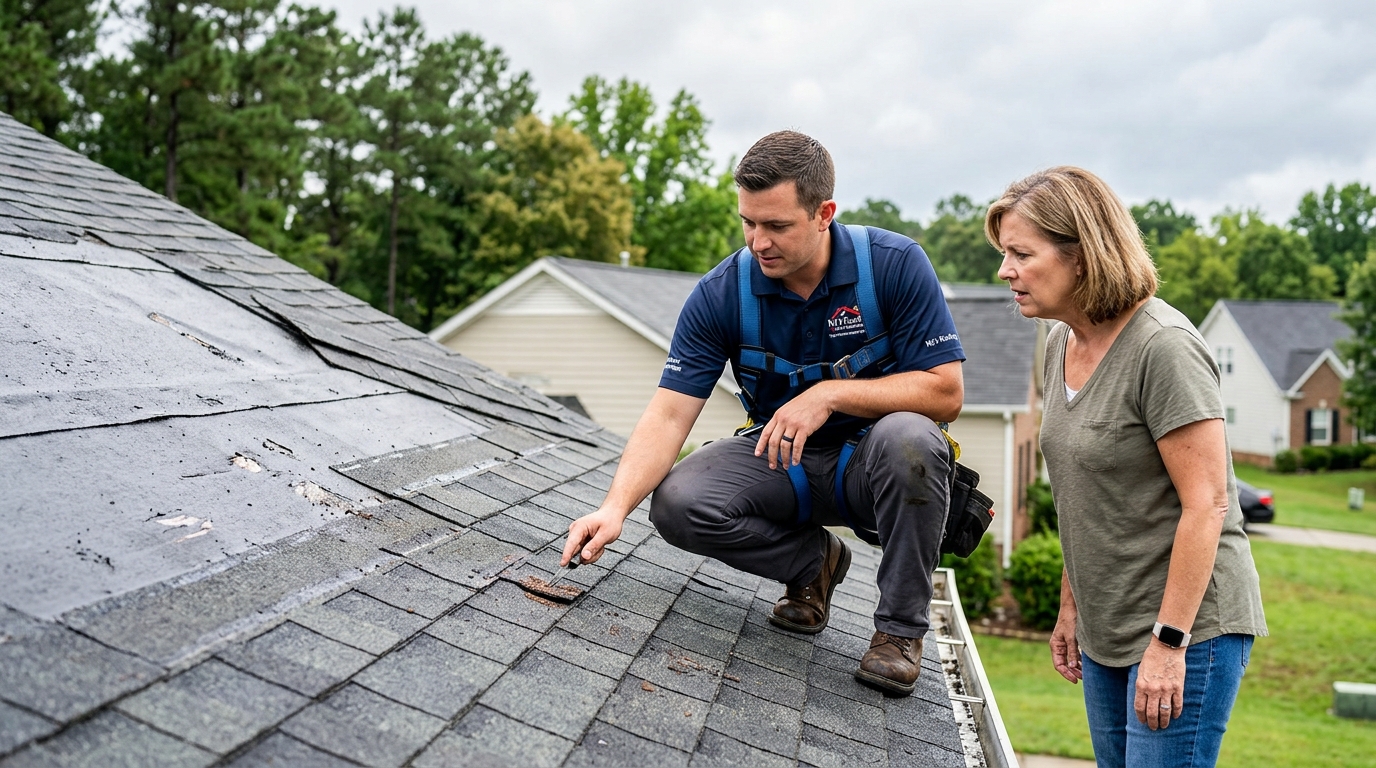
How to Identify Storm Damage on a North Carolina Roof
Mastering the Inspection: How to Identify Storm Damage on a North Carolina Roof
Living in North Carolina means enjoying the beauty of the Blue Ridge Mountains and the serenity of the Atlantic coast. However, it also means facing some of the most volatile weather in the country. From the high-velocity winds of a hurricane to the sudden impact of a summer hailstorm, North Carolina homeowners must remain vigilant. Understanding how to identify storm damage on a North Carolina roof is the first line of defense in protecting your home’s structural integrity and your family’s safety.
At Mj's Roofing and remodeling, we have spent over 30 years documenting and repairing the specific patterns of damage caused by our unique climate. A roof that appears intact from the driveway may actually be suffering from microscopic fractures or compromised seals that will lead to catastrophic leaks during the next rainfall. This guide provides a professional methodology for identifying these issues before they escalate into costly replacements.
The Critical Signs of Wind Damage
North Carolina is frequently in the path of tropical systems and nor'easters. Wind damage is rarely as obvious as a fallen tree; more often, it is a subtle weakening of the roofing system that occurs over several hours of sustained gusts.
Lifted and Curled Shingles
When wind speeds reach significant thresholds, they create an uplift effect. This can break the adhesive seal between shingle layers. If you notice shingles that appear slightly raised or have curled edges, the aerodynamic integrity of your roof is compromised. Once the seal is broken, even moderate winds can peel the shingles back, exposing the underlayment to direct water infiltration.
Creased Shingles: The Hidden Threat
A creased shingle is a classic sign of wind stress. This happens when the wind lifts a shingle tab upward, causing it to fold back and create a horizontal line across the top where the granules have been shed. While the shingle might lay back down after the storm, the internal fiberglass mat is broken, and it will eventually snap or blow off entirely. Identifying these creases requires a trained eye and often a close-up inspection from a professional residential roofing expert.
Missing Tabs and Exposed Underlayment
The most severe form of wind damage is the total loss of shingle tabs. If you see dark, rectangular patches on your roof, you are looking at the felt paper or synthetic underlayment. These materials are not designed for long-term UV exposure or direct rain contact. If you find shingle pieces in your yard or landscaping, it is a clear indicator that your roof has suffered significant wind uplift.
Hail Damage: Identifying the 'Silent Killer'
Hail is often referred to as the "silent killer" of roofs because the damage it causes is rarely visible to the untrained eye from the ground. Unlike wind damage, which shows clear physical displacement, hail damage is structural and chemical.
Granule Loss and 'Bruising'
Asphalt shingles are coated with ceramic-fired granules that protect the underlying bitumen from UV rays. When hail hits a shingle, it knocks these granules loose. Look for "bruises"—dark spots that feel soft to the touch, similar to a bruise on an apple. These spots indicate where the hail has fractured the fiberglass mat. Over time, the sun will bake these exposed spots, causing the shingle to become brittle and leak.
Dents in Metal Components
One of the easiest ways to confirm hail presence is to check your roof's soft metals. This includes chimney flashing, vents, and valleys. If you see small circular indentations on these metal surfaces, it is almost certain that your shingles have also sustained impact damage. Similarly, checking your gutter installation for dents or a heavy accumulation of granules in the troughs can provide evidence for an insurance claim.
A Step-by-Step Methodology for Homeowner Inspection
Safety is the most important factor when learning how to identify storm damage on a North Carolina roof. We never recommend that homeowners climb onto a steep or wet roof. Instead, follow this structured ground-level and interior methodology.
Step 1: The Perimeter Walk-Around
Using a pair of binoculars, walk the entire perimeter of your property. Look for inconsistencies in the roof's texture. Pay special attention to the ridgeline and the eaves, as these areas are most susceptible to wind uplift. Look for "chatter"—shingles that look slightly ruffled rather than flat.
Step 2: Inspecting the Attic
Your attic tells the story that the exterior might hide. After a storm, take a flashlight into the attic and look for:
- Light penetration: If you see pinpoints of daylight coming through the roof deck, you have a major puncture or missing shingle.
- Water staining: Check the rafters and the underside of the plywood for dark streaks or damp spots.
- Matted insulation: If your insulation looks compressed or wet in specific areas, water is likely tracking down from a leak point higher up.
Step 3: Checking Collateral Damage
Storm damage is rarely localized to the roof. Check your siding and window casings. If there are holes in your vinyl siding or dings in your window screens, the impact energy of the storm was high enough to cause roof damage. If you notice issues with your home's envelope, exploring exterior remodeling options can help restore your home's total protection.
Comparing Storm Damage Types
| Damage Factor | Wind Impact | Hail Impact |
|---|---|---|
| Visual Indicator | Missing, creased, or lifted shingles. | Dark circular spots, granule loss, metal dents. |
| Primary Risk | Immediate exposure of the roof deck. | Long-term accelerated aging and hidden leaks. |
| Common Location | Roof edges, ridges, and corners. | Random distribution across all slopes. |
The Role of Debris and Secondary Damage
In North Carolina, the wind is only half the battle. Falling debris from our abundant pine and oak trees often causes significant structural impact. A heavy limb hitting a roof can crack the underlying wooden rafters or the roof decking. Even if the shingles look okay, the structural support beneath them may be compromised. Furthermore, clogged gutters during a storm can lead to "ice damming" or water back-surges under the shingles at the eave line, which is why regular maintenance in the areas we serve is so vital.
Professional Documentation for Insurance Claims
Identifying damage is only the first step; documenting it correctly is essential for a successful insurance claim. Insurance adjusters look for specific evidence that the damage occurred during a particular weather event. This is where Mj's Roofing and remodeling adds immense value. We provide detailed photographic evidence and technical reports that correlate roof conditions with local weather data. This professional approach ensures that your claim is processed fairly and that your home receives the necessary repairs to maintain its value.
The Danger of Delay
Many homeowners wait until they see a yellow stain on their ceiling to call a roofer. In the world of North Carolina storms, that is often too late. Water that penetrates the roof can dwell in the attic for months, promoting mold growth and rotting the roof deck. By the time a leak is visible inside the living space, the cost of repair has often tripled. Early identification through seasonal inspections is the most cost-effective way to manage your home's health.
FAQs: Identifying Storm Damage in North Carolina
Can I see hail damage from the ground?
Usually not. While extreme hail may cause visible damage, most functional hail damage requires a close-up inspection to identify the bruising and micro-fractures in the asphalt mat. Relying on a ground-level view often leads to missed claims.
How long after a storm do I have to file a claim?
Most insurance policies in North Carolina require you to file a claim within one year of the date of loss. However, it is always best to act immediately to prevent secondary damage like mold or wood rot, which may not be covered if the homeowner is deemed negligent.
Will my insurance premiums go up if I file a storm damage claim?
Generally, insurance companies cannot raise your individual rates for a "claim of nature" or an "Act of God." Rates are typically adjusted based on the risk profile of an entire zip code after a major weather event, regardless of whether you personally filed a claim.
What should I do if I suspect damage but don't see leaks?
You should schedule a professional inspection. A roof can be "functionally damaged"—meaning its lifespan has been significantly shortened—without currently leaking. Getting this documented early is crucial for insurance and future home resale value.
Conclusion: Protect Your Investment Today
Identifying storm damage on a North Carolina roof requires a combination of vigilance and professional expertise. Whether you are dealing with the aftermath of a hurricane or a freak hailstorm, the team at Mj's Roofing and remodeling is here to help. With over three decades of experience serving North Carolina, we understand the nuances of local weather patterns and insurance requirements. Don't leave the safety of your home to chance.
If you suspect your roof has been compromised by recent weather, contact us today for a comprehensive evaluation. Let our legacy of quality craftsmanship protect your home for the next 30 years and beyond.