
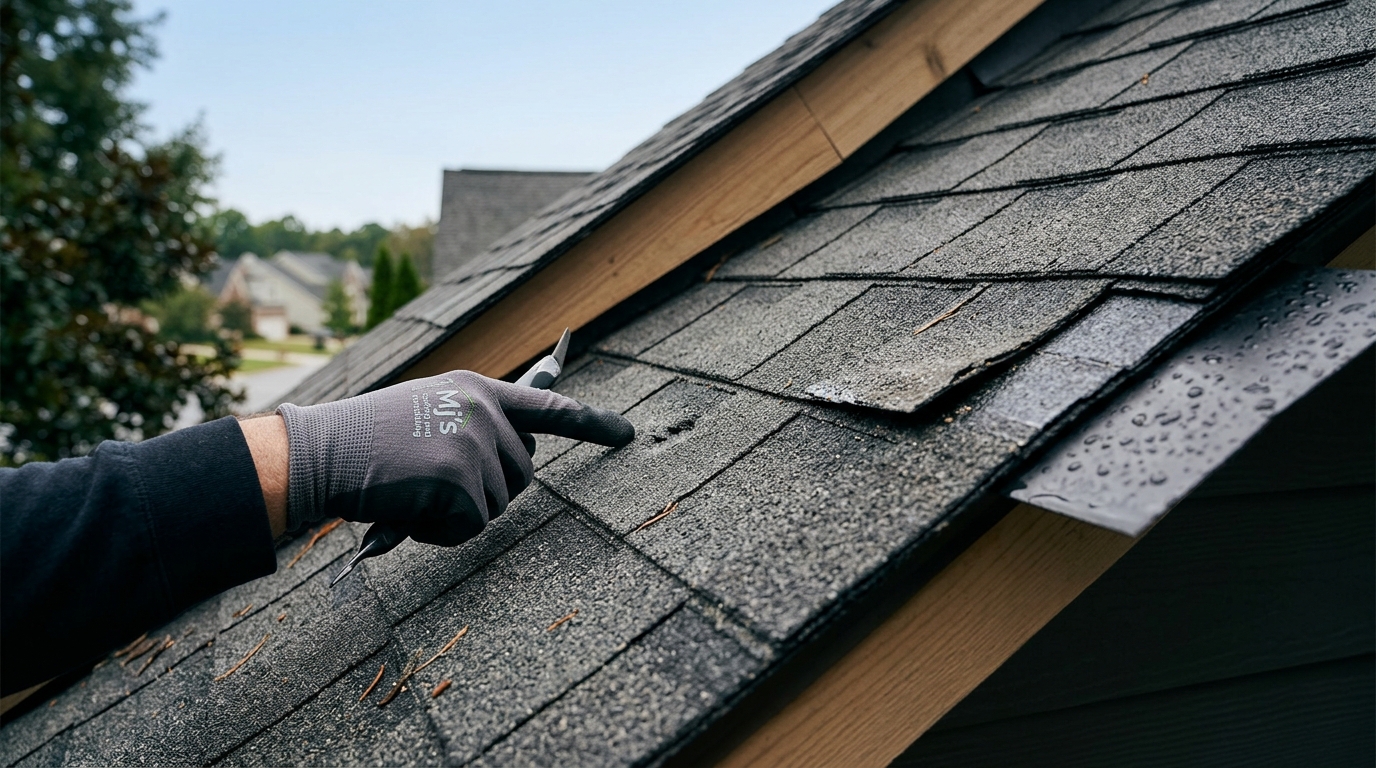
How to Identify Storm Damage on a North Carolina Roof
The Homeowner’s Guide to Identifying Storm Damage on a North Carolina Roof
North Carolina homeowners are no strangers to the volatile elements. From the humid subtropical heat of the Piedmont to the heavy coastal winds and the freezing winter cycles in the mountains, our roofs endure a lot. In our 30 years of experience at Mj's Roofing and remodeling, we have seen how a single severe thunderstorm or hurricane-force wind event can compromise the integrity of a home. Knowing how to identify storm damage on a North Carolina roof is not just a skill—it is a necessity for protecting your most valuable investment.
In this comprehensive guide, we will leverage our three decades of expertise to show you exactly what to look for after the clouds clear. Whether you are in Cary, Durham, or any of our surrounding service areas, understanding the nuances of hail, wind, and water damage can save you thousands of dollars in long-term repairs. If you suspect your home has been hit, exploring our residential roofing services is the first step toward restoration.
Why North Carolina Roofs Face Unique Challenges
North Carolina's geography places it in a unique crossroad of weather patterns. We experience everything from localized hailstorms to the remnants of tropical systems moving inland. These atmospheric conditions don't just cause immediate leaks; they accelerate the aging process of asphalt shingles, metal panels, and commercial membranes. To effectively understand how to identify storm damage on a North Carolina roof, one must first recognize the three primary culprits: high-velocity winds, impact from hail, and secondary water intrusion.
Step 1: Identifying Wind Damage (Uplift and Creasing)
Wind damage is often the most visible form of storm impact, but it can also be subtle. High winds create pressure differentials that can literally lift shingles away from the roof deck.
Missing or Lifted Shingles
The most obvious sign of wind damage is missing shingles. However, even if the shingles are still attached, they may have suffered "uplift." This occurs when the wind breaks the sealant strip (the adhesive that bonds shingles together). Once that seal is broken, the shingle is no longer waterproof and can flap in subsequent breezes, eventually leading to a crease or a complete tear-off.
Creased Shingles
When wind lifts a shingle but doesn't blow it away, it often leaves a horizontal line across the top where the shingle was folded back. This crease indicates that the fiberglass mat inside the shingle has been fractured. Over time, the granules will fall off this crease, exposing the underlying bitumen to UV rays, which leads to rapid deterioration.
Damaged Flashing and Fascia
Don't just look at the shingles. Check the perimeter of your roof. Wind can easily catch the edges of metal flashing or the fascia boards. If these are bent or pulled away, water can easily enter the soffits and the interior walls of your home.
Step 2: Identifying Hail Damage (Impact and Bruising)
Hail is arguably the most deceptive form of storm damage. Unlike wind, which often shows itself immediately, hail damage can remain hidden to the untrained eye for months—until the first major leak occurs.
Granule Loss and "Bruising"
When hail hits an asphalt shingle, it knocks off the protective ceramic granules. These granules are the shingle's only defense against the sun. Without them, the shingle becomes brittle. Look for small, dark circles on the shingles that feel soft to the touch, almost like a bruise on an apple. These are impact points where the shingle's internal structure has been compromised.
Dented Metal and Gutters
One of the best ways to determine if you have hail damage on your shingles is to look at the "softer" components of your home. If your downspouts, gutters, or metal roof vents have dents, there is a high probability that your shingles have also sustained damage. If your drainage system has been compromised, you may need to look into gutter installation services to ensure water is properly diverted from your foundation.
Comparison: Wind vs. Hail Damage
| Feature | Wind Damage | Hail Damage |
|---|---|---|
| Primary Sign | Missing or creased shingles | Dents, bruises, and granule loss |
| Visibility | High (visible from ground) | Low (requires close inspection) |
| Immediate Risk | Exposed underlayment/immediate leaks | Long-term UV degradation/slow leaks |
| Collateral Evidence | Downed limbs, loose siding | Dented gutters, damaged mailbox |
Step 3: Checking the Interior (The Attic Inspection)
Sometimes the best way to understand how to identify storm damage on a North Carolina roof is to look from the inside out. After a major storm, grab a flashlight and head to the attic.
- Daylight Peeking Through: If you can see light coming through the roof boards (and it’s not a vent), you have a significant structural hole.
- Water Stains: Look for dark streaks or staining on the rafters or the underside of the roof deck. Even if the area is dry now, a stain indicates a previous or recurring leak.
- Damp Insulation: Wet insulation loses its R-value and can become a breeding ground for mold, which thrives in North Carolina's humidity.
The Mj's Post-Storm Protocol: A Homeowner’s Checklist
We recommend all North Carolina residents follow this systematic methodology after any weather event involving winds over 50mph or hail larger than 0.5 inches:
- Ground-Level Survey: Walk the perimeter of your house. Look for shingles in the yard and debris on the roof.
- Check the "Soft Metals": Inspect window sills, garage doors, and downspouts for small indentations.
- Look at the Ridges: The ridge caps are the most vulnerable to wind. Check the very peak of your roof for any lifting or jagged edges.
- Inspect Your Siding: Often, storm damage isn't limited to the roof. Wind-blown debris can crack or dent your home's exterior. Visit our siding services page to see how we address these secondary impacts.
- Call the Experts: Never climb on a wet or damaged roof yourself. Professional roofing contractors have the safety equipment and training to perform a deep-dive inspection.
Commercial Roof Storm Damage: A Different Animal
If you own a business in regions like Raleigh or Cary, identifying storm damage is slightly different. Flat roofs or low-slope commercial roofs can suffer from "scouring" (where wind pulls gravel off the surface) or membrane punctures from flying debris. Because commercial roofs often house expensive HVAC equipment, a single leak can result in massive operational downtime. If you suspect your business has been hit, our commercial roofing experts can provide a specialized assessment.
The Danger of the "Wait and See" Approach
In our 30+ years serving North Carolina, the biggest mistake we see homeowners make is waiting for a leak to appear before acting. By the time water is dripping through your ceiling, the damage has likely spread to your insulation, drywall, and structural framing. Promptly knowing how to identify storm damage on a North Carolina roof allows you to file an insurance claim within the required window—usually one year from the date of the loss—ensuring your repairs are covered.
Frequently Asked Questions
How do I know if my roof has hail damage from the ground?
Look for "splatter marks" on your fence or siding, which indicate the direction and intensity of the storm. Also, check your gutters for excessive granule buildup (it will look like coarse sand) and look for dents on your mailbox or AC unit.
Can one storm really ruin a 30-year roof?
Yes. Even a brand-new roof can be compromised by high-velocity wind or large hail. The "30-year" rating refers to standard wear and tear, not catastrophic weather events. If the structural integrity of the shingles is broken, the lifespan of the roof is drastically shortened.
Will my insurance go up if I file a storm damage claim?
In most cases, insurance companies cannot single out a homeowner for a rate increase due to an "Act of Nature" like a storm. Rates are typically adjusted based on regional risk rather than individual claims.
Is it safe to inspect my own roof after a storm?
We always recommend staying on the ground. Roofs can be slippery after rain, and storm-damaged shingles may be loose and unstable. Use binoculars for a closer look and leave the climbing to the professionals at Mj's Roofing and remodeling.
Contact North Carolina’s Trusted Roofing Authority
Identifying storm damage is the first step, but professional restoration is what keeps your family safe. At Mj's Roofing and remodeling, we bring three decades of local expertise to every inspection. We don't just look for holes; we look for the subtle signs of long-term failure that others miss. If you are concerned about the state of your home after a recent storm, don't leave it to chance. Contact us today for a professional evaluation and let us help you protect your home for the next 30 years and beyond.