
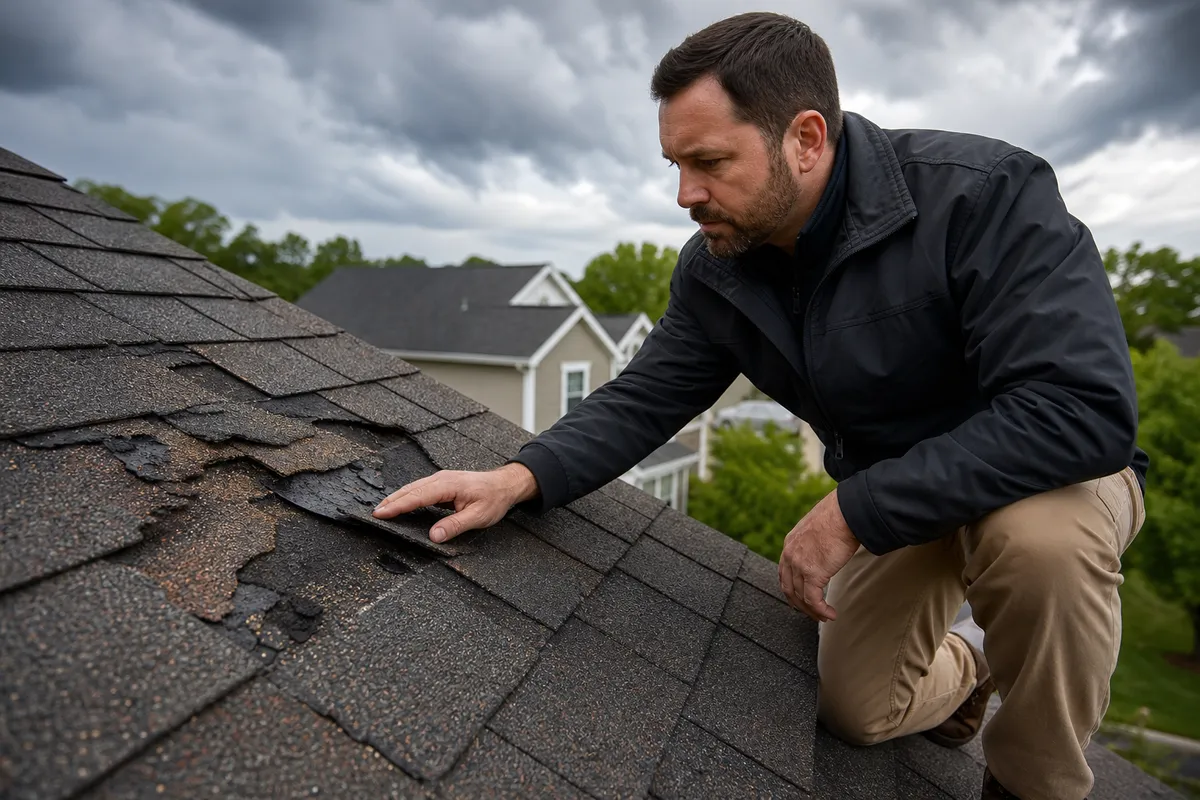
How to Identify Storm Damage on Your Roof: NC Guide
After a North Carolina thunderstorm, the most serious roof problems are often the ones you cannot see from the driveway. A few lifted shingles, bruised asphalt granules, or a small opening around flashing can admit water long before a ceiling stain appears. Knowing how to identify storm damage on your roof promptly helps protect your home, preserve insurance evidence, and prevent a repairable issue from becoming widespread interior damage. With more than 30 years of local experience, Mj's Roofing and remodeling helps homeowners distinguish normal wear from wind, hail, and rain damage with a practical, safety-first approach.
Storm inspections should be methodical—not a risky climb onto a wet roof or a quick glance at one roof slope. This guide explains what to look for from the ground, inside the attic, and around your property; what requires professional confirmation; and what to do next. For a complete evaluation after severe weather, our residential roofing team can assess the full roofing system, including shingles, flashing, ventilation, drainage, and vulnerable transitions.
Why prompt storm-damage detection matters
Your roof is a system. Shingles shed water, underlayment provides a secondary barrier, flashing protects joints, and gutters move runoff away from the structure. Storms can compromise one or several of these components. The damage may be obvious after a fallen limb, but it is frequently subtle after wind gusts or hail.
According to the Insurance Information Institute, wind and hail are consistently among the most common causes of homeowners insurance losses. In North Carolina, severe spring and summer thunderstorms, tropical systems, heavy rain, and occasional winter ice can all test a roof differently. Wind can break the seal beneath a shingle; hail can fracture the asphalt mat; wind-driven rain can enter through an opening that would not leak during a gentle vertical rainfall.
The practical takeaway is simple: do not wait for a leak to learn how to identify storm damage on your roof. Water can travel along roof decking, rafters, insulation, or wiring before it becomes visible indoors. Early documentation and a qualified inspection offer the best chance to limit secondary damage.
The SAFE roof-check framework: how to identify storm damage on your roof
Use this five-step framework after a notable storm. “SAFE” keeps the inspection organized and, importantly, keeps homeowners off a potentially unstable roof.
S — Start with safety and storm records
Before inspecting, check for immediate hazards: downed utility lines, active leaks near electrical fixtures, fallen branches under tension, or loose materials that could fall. Stay clear of all power lines and call emergency services or the utility provider when appropriate. Never walk on a roof during or immediately after rain, when shingles may be slick and structural damage may be hidden.
Record the storm date, approximate time, reported wind conditions, hail size if known, and photographs of hail accumulation, fallen limbs, or debris. Save weather alerts and take wide, date-stamped photos of every side of the home. These records establish a useful timeline if you later need repairs or choose to submit an insurance claim.
A — Assess the roof from the ground
From a safe distance, use binoculars or a phone camera with zoom. Walk around the building and examine each roof plane in good daylight. Look for changes that were not present before the storm, particularly near ridges, edges, valleys, chimneys, skylights, vents, and dormers.
- Missing shingles: Bare patches, exposed underlayment, or visible decking are urgent concerns.
- Lifted, curled, or creased shingles: Wind can bend a shingle upward and crack the adhesive seal. A crease may remain even after the shingle lies flat again.
- Uneven or wavy roof lines: A sagging area can point to wet decking or structural distress and merits a professional inspection quickly.
- Displaced ridge caps: Ridge shingles are highly exposed to wind and are common failure points.
- Damaged flashing: Check for loose metal around chimneys, walls, valleys, and vent pipes.
- New debris or punctures: Branches, impact marks, and torn roofing materials may create direct paths for water.
F — Find supporting evidence on the property
One of the most reliable ways to learn how to identify storm damage on your roof is to look beyond the roof itself. Hail and wind generally leave clues on softer or more exposed materials nearby. Check gutters, downspouts, window screens, metal vents, siding, fences, mailbox surfaces, air-conditioning equipment, and outdoor furniture.
Fresh dents on soft metal, torn window screens, stripped leaves, and widespread branches can support a storm-damage finding. However, collateral damage is evidence—not proof that the roof is damaged. A professional must still inspect roofing materials and determine whether the observed conditions are storm-related, age-related, or caused by another issue.
E — Examine the attic and interior
During daylight, enter the attic only if it is safe and has stable flooring. Bring a flashlight and avoid stepping between joists. Look at the underside of the roof deck, especially around penetrations and valleys. In living areas, inspect ceilings, upper walls, closets, and window trim.
Key warning signs include:
- Fresh water stains, bubbling paint, peeling wallpaper, or damp drywall
- Wet or compressed insulation
- Darkened wood, visible drips, or moisture trails on decking and rafters
- Musty odors or new mold-like discoloration
- Daylight visible through roof decking or around penetrations
- Water dripping from a light fixture or ceiling fan, which should be treated as an electrical safety concern
Take photos, but do not disturb wet insulation or damaged electrical components. A dry attic after a storm does not automatically clear the roof; some wind damage leaks only under a specific rain direction or intensity.
Storm damage by weather event: what each pattern looks like
| Storm event | Common roof symptoms | What homeowners often miss | Recommended response |
|---|---|---|---|
| High wind | Missing, lifted, creased, or flapping shingles; loose ridge caps; displaced flashing | Broken seal strips and nail pull-throughs beneath shingles | Schedule a professional inspection, especially if shingles are missing or creased. |
| Hail | Random circular impact marks; dented metal components; granule loss | Bruising or fractured shingle mats that look intact from the ground | Document collateral impacts and request an inspection. |
| Heavy rain | Ceiling stains, attic moisture, overflowing gutters, leaks at penetrations | Water entering at flashing and traveling far from the visible stain | Contain interior water safely and identify the entry point professionally. |
| Fallen limbs | Punctures, crushed shingles, broken decking, blocked gutters | Hidden damage surrounding the impact zone | Keep clear of unstable branches; arrange emergency assessment and temporary protection. |
| Ice or winter weather | Loose gutters, bent flashing, interior leaks after thawing | Water backup at eaves and damage from repeated freeze-thaw cycles | Inspect drainage and roof edges once conditions are safe. |
How to recognize wind damage on asphalt shingles
Wind damage is not limited to shingles that blow completely away. Strong gusts create uplift pressure at edges, ridges, hips, and corners. When a shingle lifts, its sealant strip can break. It may settle back into place, leaving a crease or weakened bond that can fail in a later storm.
Common signs of wind damage
- Shingles missing in a pattern, especially along edges or ridges
- Horizontal creases, folds, or cracked tabs
- Exposed nail heads or nails that have backed out
- Lifted flashing, loose vent covers, or detached drip edge
- Granules collecting in gutters after the event
- Shingle pieces or ridge-cap fragments in the yard
Normal aging can also cause some granule loss, curling, and brittleness. The difference is pattern and timing. Storm damage tends to be sudden and concentrated in exposed areas, while age-related deterioration is typically more uniform across the roof. This is why an experienced assessment matters when determining how to identify storm damage on your roof.
How to spot possible hail damage without causing more damage
Hail damage to asphalt shingles is frequently misidentified. A true hail impact may dislodge granules and leave a darker, softer-feeling spot where the asphalt has been bruised. The impact locations are usually random rather than arranged in a straight line. On metal vents, flashing, or gutters, hail may leave round dents that help establish the direction and intensity of the event.
Do not scrape a shingle, press aggressively on suspected impact marks, or use a coin test. These actions can damage the roof and do not produce a reliable diagnosis. Blistering, manufacturing imperfections, foot traffic, and ordinary wear can resemble hail impacts. A trained roofer evaluates the full pattern, roofing age, slope orientation, accessory damage, and material condition before reaching a conclusion.
Roof damage versus normal wear: a practical comparison
| Condition | Likely storm-related characteristics | Likely normal wear characteristics |
|---|---|---|
| Granule loss | Localized fresh bare spots or impact areas after hail/wind | Gradual, broadly even loss on an older roof |
| Shingle curling | Sudden lifting or creasing after high winds | Widespread curling from age, heat, or ventilation issues |
| Leaks | Begin immediately after a storm or occur only during wind-driven rain | Develop slowly around worn flashing or deteriorated materials |
| Flashing condition | Freshly bent, loosened, or displaced by debris or wind | Corrosion, sealant breakdown, or long-term deterioration |
What to do after you identify possible storm damage
- Protect people first. Keep everyone away from sagging ceilings, exposed wiring, unstable trees, and areas with active water near electricity.
- Limit additional interior damage. Move valuables, place containers beneath drips where safe, and photograph the conditions. Do not puncture a bulging ceiling unless directed by a qualified professional or emergency responder.
- Document before cleanup. Photograph exterior and interior conditions from multiple angles. Avoid discarding damaged materials until you have documented them.
- Arrange a professional roof inspection. A contractor can identify compromised components, recommend repair or replacement options, and document findings clearly.
- Review your insurance policy and contact your carrier if appropriate. Policies, deductibles, coverage limits, and claim deadlines vary. A roofing contractor can explain observed damage and repair scope, but the insurer determines coverage.
- Address drainage. Clogged or damaged gutters can worsen roof-edge leaks and foundation moisture. Consider professional gutter and gutter guard solutions to improve water management after repairs.
When a professional inspection is essential
Call a qualified roofer promptly when you see missing shingles, a roof puncture, water intrusion, a sagging roof line, loose flashing, or widespread debris impacts. You should also schedule an assessment if your neighbors have confirmed storm damage or if a severe storm passed through your area—even if your roof appears normal from the ground.
A professional inspection is particularly valuable because roof damage can be concealed by steep slopes, high eaves, multi-layer construction, and intact-looking top surfaces. Mj's Roofing and remodeling evaluates the condition of the roofing system rather than relying on a single visual clue. Our team can help homeowners prioritize urgent temporary protection, targeted repairs, or replacement planning based on the roof’s actual condition.
Preventive steps that make the next storm easier to manage
You cannot eliminate weather risk, but regular maintenance makes how to identify storm damage on your roof easier and reduces avoidable vulnerabilities. Keep gutters clear, trim overhanging limbs with appropriate professional help, inspect sealants and flashing periodically, and address small issues before severe-weather season. Annual inspections are especially useful for older roofs and homes surrounded by mature trees.
Also verify that attic ventilation and drainage are functioning as intended. Excess attic heat and moisture can shorten shingle life, while overflowing gutters can saturate fascia boards and roof edges. If storm damage extends beyond the roof to siding, trim, or exterior finishes, coordinated exterior remodeling services can help restore the home’s weather barrier comprehensively.
Frequently asked questions about storm-damaged roofs
Can a roof have storm damage without leaking?
Yes. Wind can break shingle seals, hail can bruise the shingle mat, and flashing can loosen without creating an immediate leak. These conditions may reduce the roof’s ability to withstand the next heavy rain, so a professional inspection is worthwhile after a significant event.
How soon should I inspect my roof after a storm?
Perform a safe ground-level and interior check as soon as conditions allow. If you observe missing materials, impacts, water stains, or damage to nearby property, arrange a professional inspection promptly. Do not climb onto a wet, steep, or visibly damaged roof.
Will insurance pay for a storm-damaged roof?
Coverage depends on your policy, deductible, exclusions, roof age, the cause of damage, and the insurer’s assessment. Document the event and observed damage, then contact your insurer for claim guidance. A roofing professional can provide repair findings and scope information but cannot guarantee claim approval.
Are granules in gutters always a sign of hail damage?
No. Some granule loss is normal, particularly on aging shingles, and newly installed roofs may shed loose manufacturing granules. A sudden increase after a storm can be worth investigating, but it must be evaluated along with the roof’s overall condition and other evidence.
Should I cover roof damage with a tarp myself?
Only if it can be done safely from the ground or by qualified professionals. Improper tarping can create additional punctures, trap moisture, or expose you to a serious fall hazard. For active leaks or exposed decking, seek professional emergency guidance.
Protect your home with a clear next step
Learning how to identify storm damage on your roof gives you a valuable head start, but a careful professional evaluation provides the clarity needed to protect your home. Do not ignore lifted shingles, fresh interior staining, dented roof accessories, or debris impacts simply because the roof is not actively leaking today.
Mj's Roofing and remodeling has protected North Carolina homes with quality craftsmanship and responsive service for over 30 years. If a recent storm has you concerned, schedule a roof inspection with our local team today. We will help you understand what you are seeing, identify the appropriate repairs, and move forward with confidence.