
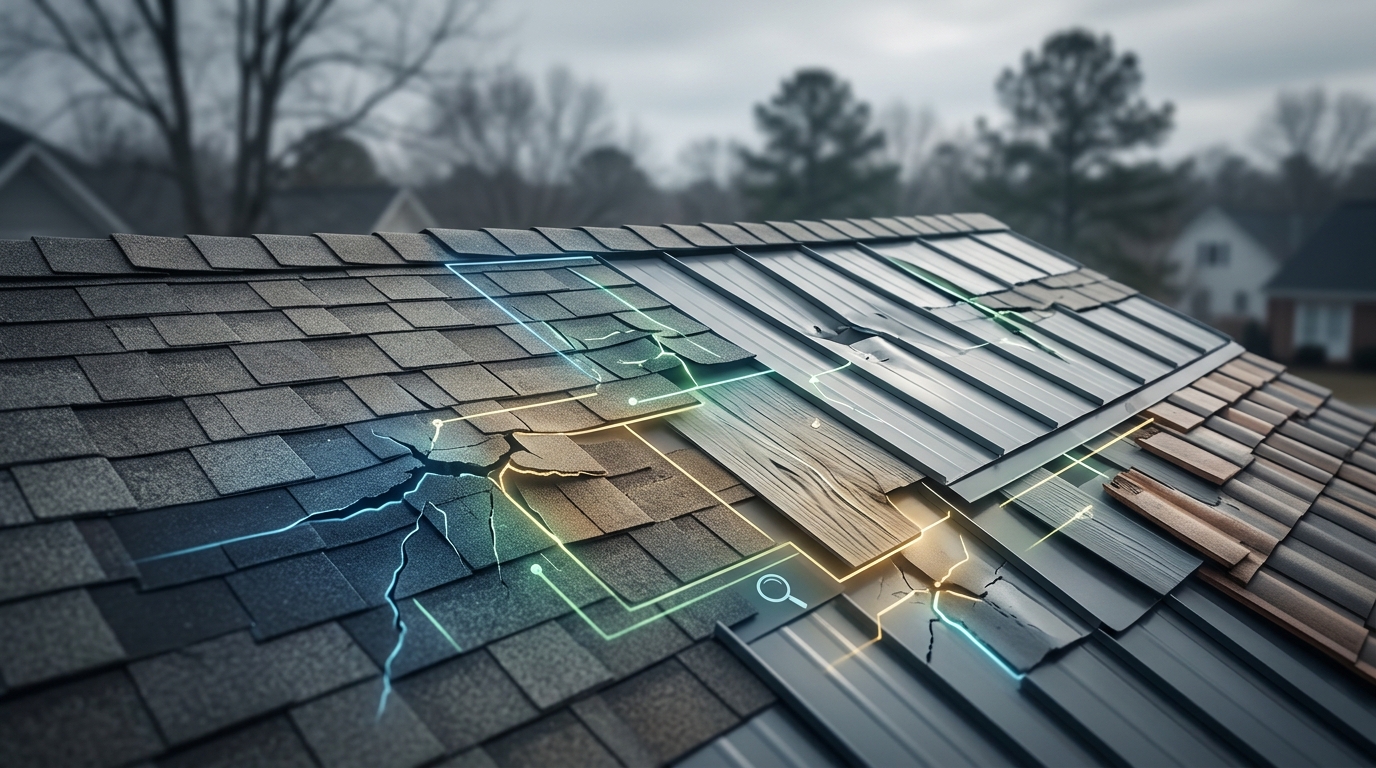
How to Spot Roof Storm Damage in North Carolina: A Guide
The Vital Importance of Identifying Storm Damage in North Carolina
Living in North Carolina offers breathtaking views and a vibrant lifestyle, but our geographic position makes our homes vulnerable to some of the most volatile weather in the country. From the hurricane-force winds of the coast to the severe hail storms of the Piedmont, your roof is the first line of defense against the elements. Knowing how to spot roof storm damage in North Carolina is not just a home maintenance skill—it is a critical necessity for protecting your family and your investment. At Mj's Roofing and remodeling, we have spent over 30 years helping homeowners navigate the aftermath of these storms, providing the expertise needed to identify subtle signs of wear before they turn into catastrophic failures.
Whether you are looking for a Durham roofing contractor or you are situated in the surrounding areas, the principles of storm damage detection remain the same. The window of opportunity to file an insurance claim is often smaller than homeowners realize, and invisible damage today can lead to structural rot and mold in as little as six months. This guide provides an authoritative, step-by-step framework for assessing your roof’s health after a weather event.
Understanding the North Carolina Storm Profile
North Carolina ranks among the top states for both hurricane landfalls and severe thunderstorm activity. This diversity in weather means that your roof faces a multi-pronged assault. To effectively learn how to spot roof storm damage in North Carolina, you must understand the three primary threats: High Winds, Hail, and Heavy Precipitation.
High-Velocity Winds
In regions like the Research Triangle and the coastal plains, wind damage is the most common culprit. Wind doesn't always blow shingles off entirely; often, it creates 'uplift' pressure that breaks the adhesive seal of the shingle. Once this seal is broken, the shingle is no longer waterproof, even if it looks flat from the ground.
Hail Impact
Hail in North Carolina can range from pea-sized to golf ball-sized during spring thunderstorms. Hail damage is notoriously difficult for the untrained eye to spot because it often manifests as 'bruising'—soft spots in the shingle mat that eventually lead to granule loss and UV degradation.
The Role of Debris
With our lush canopy of oak and pine trees, North Carolina roofs are frequently struck by falling limbs. Even small branches can puncture a roof membrane or crack a tile, creating a direct path for water intrusion.
Step 1: The Ground-Level Visual Inspection
Safety is the priority. You do not need to climb a ladder to perform an initial assessment. In fact, most critical signs of how to spot roof storm damage in North Carolina can be identified from the safety of your lawn using a pair of binoculars.
What to Look for on the Roof Surface
- Missing Shingles: Noticeable gaps or patches where the darker underlayment is visible.
- Lifted or Curled Shingles: Shingles that appear to be 'peeling' at the edges or corners.
- Creased Shingles: A horizontal line across the shingle where it was bent backward by wind and then settled back down. This indicates the internal fiberglass mat is broken.
- Debris Accumulation: Large branches or piles of leaves that could be trapping moisture against the roof surface.
The Gutter 'Early Warning' System
Your gutters are often the first place storm damage reveals itself. If you notice a high concentration of mineral granules (which look like coarse sand) in your downspouts, your shingles are losing their protective coating. This is a primary indicator of hail impact or extreme wind wear. If your gutters are sagging or detached, you may need a professional gutter installation to prevent water from backing up under your roofline.
Step 2: Identifying Hail Damage (The Silent Killer)
Hail damage is often referred to as a 'silent killer' because it doesn't cause immediate leaks. Instead, it accelerates the aging of your roof by years. When hail hits a shingle, it knocks off the protective granules and may crack the underlying bitumen layer.
Anatomy of a Hail Hit
When inspecting for hail, look for the following characteristics on your shingles and soft metals (like roof vents):
| Feature | Hail Damage Appearance | Standard Wear and Tear |
|---|---|---|
| Shape | Random, circular, or teardrop patterns | Linear cracks or general thinning |
| Texture | Soft to the touch (like a bruise on an apple) | Brittle and hard |
| Color | Darker spots where granules are missing | Uniform fading across the whole roof |
| Metal Vents | Dents or 'pockmarks' on soft metal surfaces | No impact marks |
Step 3: Checking the Interior for Signs of Roof Failure
Sometimes, the best way to understand how to spot roof storm damage in North Carolina is to look inside. After a major storm, grab a flashlight and head to your attic or upper-level rooms.
Attic Inspection Checklist
1. Light Leaks: If you can see daylight peeking through the roof boards, you have a structural puncture or a displaced shingle.
2. Damp Insulation: Wet or matted insulation is a sign that water is seeping through the underlayment.
3. Water Stains on Rafters: Look for dark streaks or 'tide marks' along the wood framing.
4. Musty Odors: A sudden musty smell after a storm suggests that moisture is trapped and mold is beginning to form.
Ceiling and Wall Symptoms
Inside your living spaces, keep an eye out for bubbling paint or yellow/brown rings on the ceiling. These are definitive signs of a roof leak that has progressed through the insulation and reached the drywall. In these cases, your residential roofing system has likely suffered a breach that requires immediate professional intervention.
Comparing Storm Damage Types: Wind vs. Hail
Understanding the difference between these types of damage is essential for accurate insurance reporting. While both are covered by most policies, they require different repair strategies.
Wind Damage Indicators
- Shingle Blow-off: Entire sections of roofing material are missing.
- Seal Failure: Shingles can be easily lifted with one finger because the adhesive bond is broken.
- Chimney Flashing Issues: Wind can pull flashing away from the brick, creating a massive entry point for water.
Hail Damage Indicators
- Dented Soft Metals: Check your box vents, ridge vents, and flashing for small dents.
- Splitting Wood Shakes: If you have a cedar roof, hail will cause sharp, jagged splits with orange/gold wood showing inside.
- Siding Impacts: Check your home's siding for 'half-moon' cracks or chips. If your siding is damaged, it’s a 100% certainty your roof is too.
The Hidden Danger: Compromised Flashing and Sealants
While many homeowners focus on shingles, the most vulnerable parts of a North Carolina roof are the 'penetrations'—the areas around chimneys, skylights, and plumbing vents. High winds during a hurricane or Nor'easter can vibrate these components, cracking the caulking and sealants that keep them watertight. Even if your shingles look perfect, a compromised piece of flashing can lead to thousands of dollars in interior damage.
When to Call a Professional for a Storm Damage Assessment
You should never attempt to DIY a major roof repair, especially after a storm. Professional inspectors, like our team at Mj's Roofing and remodeling, use advanced technology such as moisture meters and high-resolution aerial imagery to detect damage that is invisible from the ground. Furthermore, insurance adjusters are more likely to approve a claim when it is backed by a detailed report from a reputable contractor with 30 years of local experience.
The Dangers of Delayed Action
Waiting to address storm damage can lead to:
- Mold Growth: North Carolina’s humidity provides the perfect environment for mold to thrive once water enters the home.
- Structural Rot: Constant moisture weakens the wooden decking of your roof, eventually requiring a full deck replacement rather than a simple shingle repair.
- Insurance Denial: Most policies have a 'statute of limitations' for filing claims. If you wait 12 months and then find a leak, the insurance company may argue the damage was due to neglect rather than a specific storm event.
The Mj's Roofing and remodeling Storm Recovery Framework
If you suspect your home has been hit, follow this methodology used by industry experts:
- Document Everything: Take photos of the roof from the ground, any fallen branches, and any hail stones you find (place a coin next to them for scale).
- Mitigate Further Damage: If there is an active leak, place buckets or tarps (if safe) to prevent interior ruin.
- Schedule a Professional Inspection: Contact a trusted local expert who understands North Carolina building codes and weather patterns.
- Review Your Coverage: Understand your deductible and what your policy covers regarding 'Actual Cash Value' vs. 'Replacement Cost Value'.
Integrating Exterior Protection
A storm doesn't just impact your shingles. Often, your entire home's envelope is compromised. When we assess a home, we also look at the siding and paint. Cracking paint or chipped siding can allow water to penetrate your walls. If your home has suffered aesthetic or structural damage to these areas, exploring exterior remodeling options can restore your curb appeal while reinforcing your home’s defenses.
Frequently Asked Questions About NC Storm Damage
How long do I have to file a claim after a storm in North Carolina?
While it varies by provider, most North Carolina insurance policies allow for 1 to 2 years to file a claim. However, it is highly recommended to file within 30 to 60 days to ensure the damage is clearly linked to the specific weather event.
Can I spot hail damage if my roof is still wet?
No, it is very difficult. Water fills the small indentations and masks the color changes caused by granule loss. Always wait for the roof to dry completely before performing a visual inspection.
Is a 'free inspection' really free?
At Mj's Roofing and remodeling, we believe in providing honest assessments. A reputable contractor offers inspections as a way to build trust with the community. Be wary of 'storm chasers' who appear only after a disaster; always choose a local company with a long-standing physical presence in North Carolina.
What if only a few shingles are missing?
Even one missing shingle can be a major issue. Modern roofing is an integrated system; a single gap allows wind to get underneath adjacent shingles, creating a domino effect of failure during the next wind event.
Conclusion: Protect Your North Carolina Home Today
Understanding how to spot roof storm damage in North Carolina is your first step toward maintaining a safe and secure home. The unique challenges posed by our state's climate—from coastal humidity to inland ice—require a vigilant eye and a proactive approach. By performing regular ground-level checks and knowing the subtle signs of hail and wind impact, you can catch problems before they escalate into costly disasters.
Don't leave your home's safety to chance after a storm. With over three decades of experience serving North Carolina families, Mj's Roofing and remodeling is here to provide the professional guidance and craftsmanship you deserve. If you’ve recently experienced severe weather, contact us today for a comprehensive inspection and let us help you protect what matters most.