
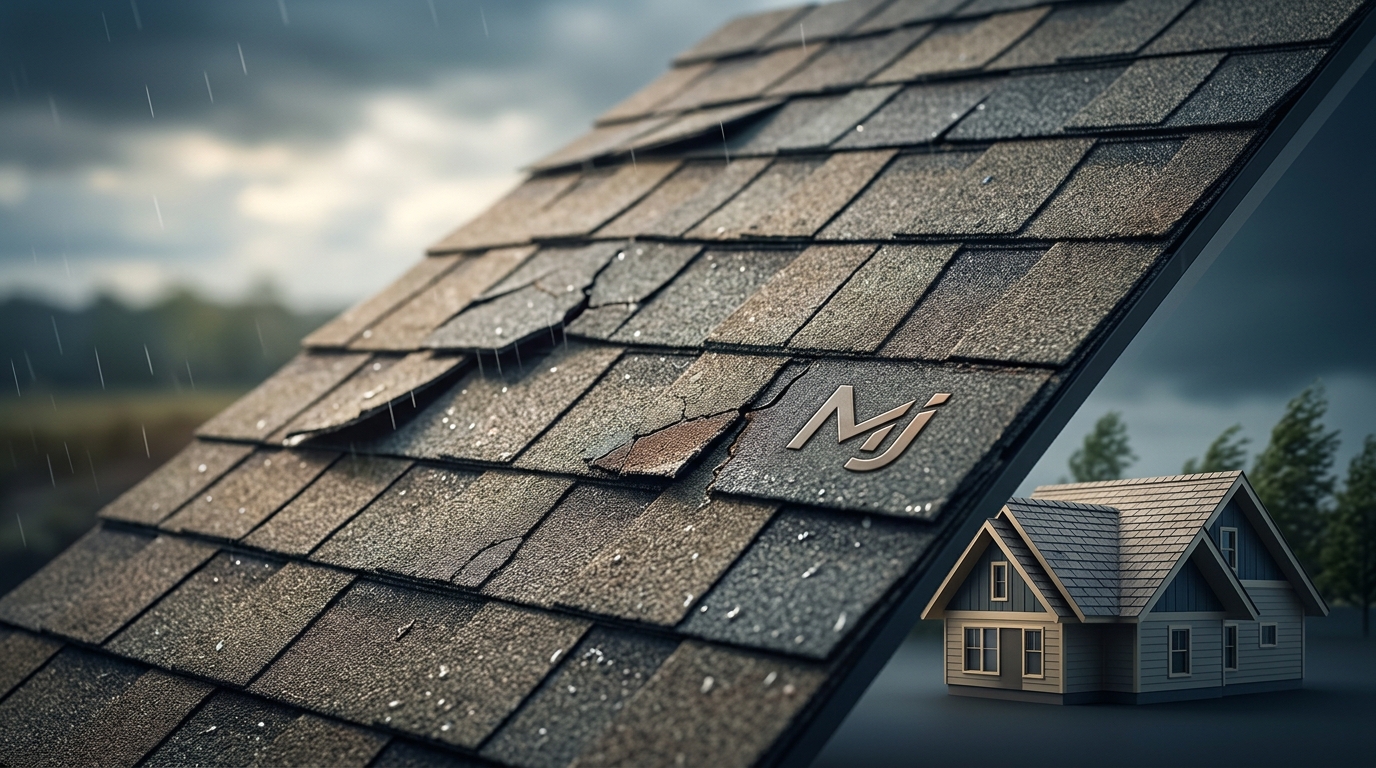
Identifying Signs of Roof Storm Damage After North Carolina Hurricanes
The Reality of North Carolina Hurricanes and Your Roof
For over 30 years, Mj's Roofing and remodeling has stood as a guardian for homeowners across the Tar Heel State. We have seen firsthand the aftermath of historic storms—from the devastating winds of Hurricane Fran to the relentless flooding of Hurricane Florence. North Carolina’s unique geography makes it a prime target for Atlantic tropical systems, leaving residential and commercial structures vulnerable to high-velocity winds, torrential rain, and airborne debris. Understanding the signs of roof storm damage after North Carolina hurricanes is not just about home maintenance; it is about protecting your family’s safety and your property’s long-term value.
After a major weather event, the adrenaline often masks the subtle indicators of structural compromise. While a fallen tree is an obvious emergency, the most insidious damage often occurs beneath the surface of your shingles. At Mj's Roofing and remodeling, we believe that an informed homeowner is a protected homeowner. This comprehensive guide leverages three decades of expertise to help you identify critical damage points before they escalate into costly replacements.
Immediate Signs of Roof Storm Damage After North Carolina Hurricanes
When the clouds clear, the first step is a perimeter check. While we always recommend professional inspections, homeowners can spot several red flags from the ground. Identifying these signs of roof storm damage after North Carolina hurricanes early can be the difference between a simple repair and a full residential roofing overhaul.
1. Missing, Lifted, or Curled Shingles
Hurricane-force winds create significant uplift pressure. As wind speeds exceed 74 mph, the aerodynamic lift can break the sealant strips on asphalt shingles. Look for "chatter" marks or shingles that appear slightly raised. Even if the shingle hasn't blown off completely, a broken seal allows water to seep underneath during the next rainstorm, leading to rot in the roof deck.
2. Granule Loss and "Bald" Spots
Heavy rain and hail often accompany North Carolina hurricanes. If you notice an accumulation of sand-like granules in your downspouts or at the base of your gutter installation, your shingles are losing their protective outer layer. These granules are essential for UV protection; without them, the asphalt layer becomes brittle and cracks under the intense NC sun.
3. Damaged or Displaced Flashing
Flashing—the metal strips around chimneys, vents, and valleys—is your roof's weakest point during a storm. High winds can pry these metal components loose. If the flashing is bent, rusted, or missing, water has a direct path into your attic and internal wall cavities.
The Role of Wind-Driven Rain and Secondary Damage
In North Carolina, it isn't just the wind that causes problems; it is the wind-driven rain. During a hurricane, rain doesn't just fall vertically; it is pushed horizontally at high speeds. This can force water under shingles and into soffit vents that were never designed to handle lateral moisture penetration.
We often see cases where the roof looks fine from the street, but the internal structure is saturated. This is why our team at Mj's Roofing and remodeling emphasizes checking the "hidden" areas of the home. If you are concerned about potential moisture intrusion, viewing our frequently asked questions can help you understand the standard protocols for post-storm recovery.
Interior Indicators: What Your Ceiling and Attic Are Telling You
Sometimes, the most definitive signs of roof storm damage after North Carolina hurricanes are found inside. We recommend every homeowner perform an attic inspection using a high-powered flashlight following a storm.
- Water Staining: Look for yellow, brown, or grey rings on your ceiling or attic rafters. These are clear indicators of a slow leak.
- Light Penetration: If you can see daylight peeking through the roof boards in your attic, you have a major structural opening that needs immediate attention.
- Sagging Decking: If the plywood under your shingles feels spongy or looks warped from the inside, the structural integrity of the roof is compromised.
- Musty Odors: North Carolina’s humidity, combined with trapped moisture, creates the perfect breeding ground for mold within 24 to 48 hours of a hurricane.
Comparison: Wind Damage vs. Hail Damage vs. Debris Impact
Not all storm damage is created equal. Understanding the nuance of each helps in filing accurate insurance claims.
| Damage Type | Key Visual Signs | Long-term Risk |
|---|---|---|
| High Wind | Creased shingles, missing tabs, lifted flashing. | Roof deck exposure and massive leaks. |
| Hail Impact | Circular bruising, cracked shingles, dented gutters. | Accelerated aging and loss of water shedding ability. |
| Debris/Trees | Punctures, broken rafters, crushed vents. | Immediate structural failure and safety hazards. |
The Mj's Roofing and remodeling Post-Storm Inspection Framework
To ensure no detail is overlooked, we follow a rigorous methodology when assessing homes after a North Carolina hurricane. Homeowners can use this checklist to guide their initial assessment before calling us for a professional certification.
- Safety First: Never walk on a wet or potentially damaged roof. Perform all initial observations from the ground using binoculars.
- Check the Gutters: Debris-filled gutters can cause water to back up under the eave of the roof. If you need assistance, our gutter and gutter guard services can help prevent this secondary damage.
- Evaluate the Siding: Often, damage to the siding is a precursor to roof issues. If wind was strong enough to rip siding, it was likely strong enough to damage the roof perimeter.
- Document Everything: Take photos of every angle of your home from the ground. This documentation is vital for the insurance claims process.
- Professional Verification: Hire a local expert who understands North Carolina building codes and specific regional weather patterns.
Why Local Expertise Matters in North Carolina
National "storm chaser" roofing companies often flood North Carolina after a hurricane. These companies lack the 30-year community roots that Mj's Roofing and remodeling possesses. We understand the specific municipal requirements in towns like Clayton, Cary, and Durham. Local expertise ensures your roof is not just repaired, but reinforced to withstand the next inevitable storm season.
Furthermore, we are familiar with the insurance landscape in NC. Many homeowners are surprised to find they have a separate "Wind and Hail" deductible. We help navigate these complexities, ensuring you receive the maximum coverage allowed by your policy to restore your home to its pre-storm condition.
Frequently Asked Questions About Hurricane Roof Damage
How long do I have to file a claim after a North Carolina hurricane?
While policies vary, most insurance companies require you to file a claim within one year of the date of loss. However, we recommend starting the process immediately to prevent "consequential damage" (like mold or interior rot), which insurance companies may refuse to cover if you wait too long.
Can I just repair the missing shingles, or do I need a full replacement?
This depends on the extent of the damage and the age of your roof. If the wind has broken the seals on a significant portion of the roof, or if the shingles are old and brittle, a repair may not be feasible because the surrounding shingles will crack during the repair process.
Are certain roofing materials better for hurricane-prone areas?
Yes. Many homeowners in North Carolina are switching to Class 4 impact-resistant shingles or metal roofing. These materials are tested to withstand higher wind speeds and larger hail impacts than standard organic or fiberglass shingles.
Will my insurance go up if I file a claim for storm damage?
In most cases, hurricanes are considered an "Act of Nature." Unlike an at-fault accident in an automobile, insurance companies generally cannot raise your individual rates for a catastrophe claim. However, rates for an entire region may shift after a major disaster.
Protect Your Investment with MJ’s Roofing and remodeling
Identifying the signs of roof storm damage after North Carolina hurricanes is the first step in a long recovery process. Don't leave the safety of your home to chance. With over three decades of experience serving the North Carolina community, Mj's Roofing and remodeling offers the precision, honesty, and craftsmanship you need to weather any storm.
Whether you need a minor repair or a complete replacement of your commercial roofing asset, our team is ready to help. We offer flexible financing options to ensure that an unexpected storm doesn't become a financial disaster for your family.
Ready for a professional assessment? Don't wait for the next leak. Book your inspection today and experience the peace of mind that comes with 30 years of trusted NC expertise.