
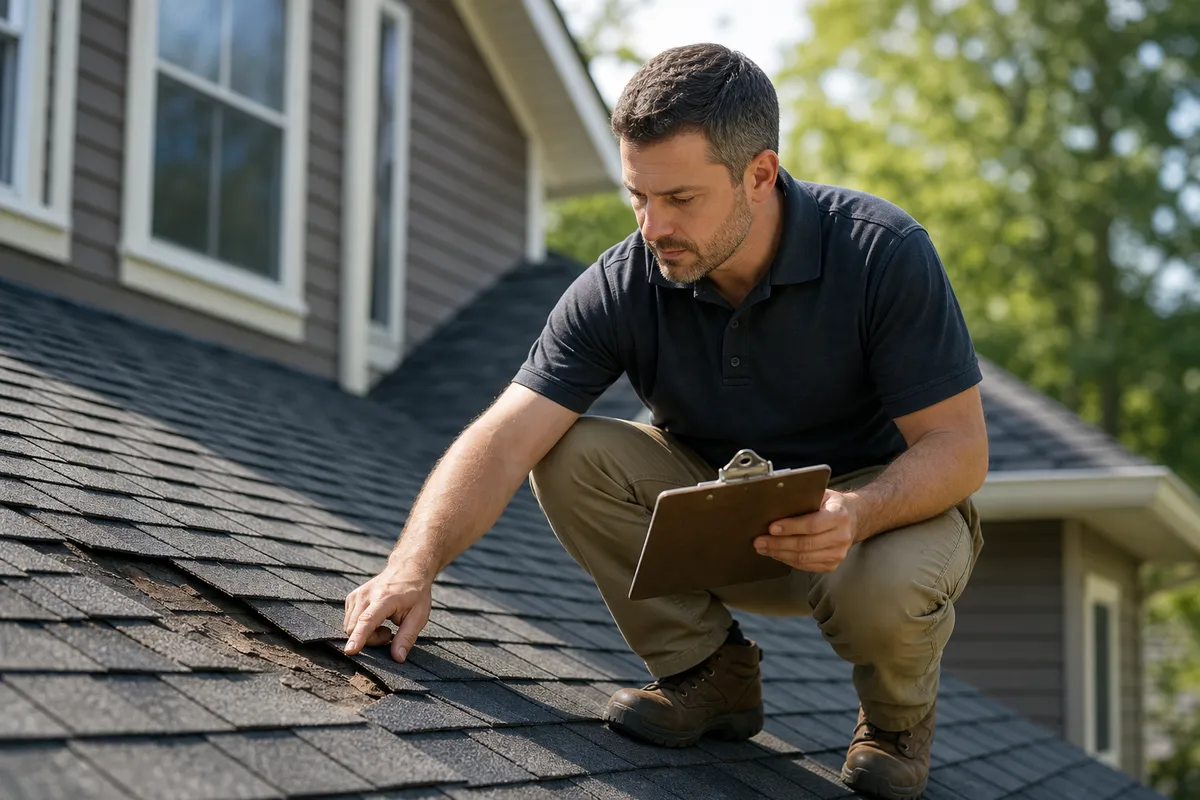
Signs You Need a Roof Repair vs Replacement: NC Guide
Ask any experienced roofer what question they hear most from homeowners, and it's rarely about shingle brands or colors. It's this: “Can this be patched, or am I looking at a whole new roof?” After more than three decades of protecting homes across North Carolina, we can tell you that the signs you need a roof repair vs replacement follow recognizable patterns — and learning to read them can save you thousands of dollars and a great deal of stress. Our residential roofing team walks homeowners through this exact decision every week, and in this guide we're sharing the same framework we use on job sites from the Triangle to Harnett County.
Why the Repair-vs-Replace Decision Matters More Than You Think
Getting this call wrong is expensive in both directions. Patch a roof that's actually at the end of its life, and you'll be paying for the same problem again next season — plus whatever water damage happened in between. Replace a roof that had years of solid service left, and you've spent a major renovation budget years before you needed to.
There's also a hidden cost to waiting: water is patient and destructive. A minor leak that starts as a faint ceiling stain can migrate into insulation, drywall, and framing before you ever see a drip. In North Carolina, where late-summer tropical systems and pop-up thunderstorms can dump inches of rain in an afternoon, a small vulnerability can become a big claim in a single weekend. That's why reading the signs you need a roof repair vs replacement correctly — and acting at the right time — is one of the most financially protective skills a homeowner can develop.
Signs You Need a Roof Repair vs Replacement: Always Start With Age
Before you examine a single shingle, find out how old the roof is. Age is the single most predictive factor in this decision, because it tells you how much remaining service life the roofing system has to protect.
Most asphalt shingle roofs — by far the most common roofing material on North Carolina homes — deliver roughly 20 to 30 years of service, with architectural shingles on the longer end of that range and basic three-tab shingles on the shorter end. Metal, tile, and slate systems can run considerably longer. Use these general bands as a starting point:
- Under 15 years: Unless a storm caused broad damage, repair is almost always the right call. The roof has most of its life ahead of it.
- 15 to 20 years: The gray zone. The decision hinges on the scope of damage, ventilation quality, and maintenance history.
- 20 years and beyond: Replacement math starts to win. Even a roof that looks acceptable from the driveway is likely nearing the end of its design life, and repairs become bridge measures rather than solutions.
How North Carolina's Climate Accelerates Roof Aging
A roof's age in years doesn't tell the whole story — climate matters. Roofs in our state age under a specific set of pressures:
- Humidity and biological growth. Persistent moisture encourages algae and moss, which hold water against the shingle surface and speed up deterioration.
- Intense summer sun. UV exposure bakes the oils out of asphalt shingles, making them brittle. Poor attic ventilation compounds this by cooking shingles from beneath.
- Tropical systems and straight-line winds. Remnants of coastal storms regularly push wind-driven rain under lifted shingles and stress flashing.
- Hail and freeze-thaw cycles. Hail bruises shingle matting, and our Piedmont winters are cold enough for trapped water to freeze, expand, and widen small cracks.
We see these patterns every day in the communities we serve, from Apex and Cary to Clayton and Dunn — you can browse the full list of areas we serve to see how local conditions factor into our inspections.
The Clear Signs You Need a Roof Repair
When damage is localized and the roof is still relatively young and structurally sound, repair is usually the smart, budget-friendly move. Here's what our inspectors look for:
1. Missing or Lifted Shingles in One or Two Spots
A wind event strips a handful of shingles from a single slope — classic repair territory. The tell is the pattern. Scattered loss confined to one area points to a discrete event or defect; shingles missing from every elevation of the roof tell a very different story.
2. Granules in the Gutters — but Only in Certain Areas
Some granule shedding is normal, especially on newer roofs still releasing loose granules from manufacturing. What matters is distribution. Heavy, concentrated granule loss — often after a hailstorm — exposes the asphalt mat beneath and signals a repairable, localized problem. Uniform “balding” across the entire roof, on the other hand, is a hallmark of an aging system.
3. Curling or Clawing Shingles on a Single Section
Corners turning up (cupping) or shingle edges lifting (clawing) confined to one section often trace back to a localized cause — inadequate ventilation above that space or heat from an adjacent component. That's fixable. When the same curling appears on every slope, it's systemic aging, not a fluke.
4. Damaged Flashing Around Chimneys, Vents, and Skylights
Flashing almost always fails before the field of shingles does, and it's one of the highest-value repairs we perform. Sealing or replacing failed flashing around penetrations is quick, affordable, and — if caught early — prevents the interior water damage that turns a small job into a big one.
5. A Single Leak With an Identifiable Source
One water stain, one entry point, solid sheathing around it: that's a repair. The key questions are whether the source can be confidently located and whether the surrounding decking is still sound. If both answers are yes, there's no reason to replace a healthy roof.
6. Gutters Sending Water Where It Shouldn't Go
Clogged or sagging gutters back water up under the eaves, rotting the fascia and the edge of the roof deck. Sometimes the roof itself is fine — the water management system is the problem. Keeping gutters clear (and considering gutter guards) protects the roof edge and often eliminates “roof leaks” that were never roof problems at all.
The Clear Signs You Need a Roof Replacement
Then there are the signals that patching is throwing good money after bad:
1. The Roof Is At or Near the End of Its Lifespan
If the calendar says 25 years and the shingles agree — brittle, faded, granule-starved — plan for replacement even if there's no active leak yet. Roofs rarely fail gracefully. They tend to reach the end of their service life and then deteriorate quickly, usually at the least convenient moment.
2. Curling, Buckling, or Balding Across Multiple Slopes
Widespread deformation means the shingles themselves are failing, not one section of them. At that point, repairs become a game of whack-a-mole: fix one slope, and the next one starts shedding within a season or two.
3. A Sagging Roof Deck or Ridgeline
This is a structural red flag, not a cosmetic one. Sagging between rafters or along a ridge usually indicates trapped moisture, deteriorated decking, or framing issues. Don't wait on this one — have it evaluated promptly, because structural problems only ever get more expensive.
4. Daylight in the Attic or Moisture in Multiple Places
Multiple water stains on the sheathing, damp or matted insulation in several areas, or visible daylight through the roof boards all point to widespread failure. When the evidence inside the attic is scattered across the roof plan, the roof — not a single penetration — is the problem.
5. Leaks That Keep Coming Back
Here's the pattern we gently point out to homeowners: if you've paid for two or three repairs in the past few years, the repair ledger is quietly becoming a down payment on a replacement. There's no shame in repairing — but there's a point where the honest advice is to stop feeding a roof that's already spent.
6. Widespread Moss, Algae, or Rot
In our humid climate, biological growth isn't just an aesthetic issue. Moss holds moisture against the roof surface and works its way under shingle edges, accelerating decay of the materials below. On its own it may warrant cleaning; combined with an older roof, it tips the scale firmly toward replacement.
7. Storm Damage That Goes More Than Skin Deep
Hail bruising spread across the entire field of the roof, or wind creasing shingles on every elevation, compromises the system as a whole. Insurance adjusters and roofing contractors evaluate the whole roof for a reason — when the damage is systemic, spot repairs can't restore the weathertightness the roof was designed to provide.
A Step-by-Step Framework for Making the Final Call
When you're weighing the signs you need a roof repair vs replacement, walk through this sequence in order:
- Confirm the age. Check closing documents, permits, or the manufacturer's stamp on shingle bundles if you're unsure.
- Map the damage. Localized or generalized? A widely used industry guideline holds that when damage covers more than roughly a quarter to a third of the roof surface, replacement typically becomes the better investment.
- Look inside. Inspect the attic for stains, damp insulation, daylight, and sagging sheathing. Interior evidence reveals what the exterior hides.
- Factor in your plans. Selling within a couple of years changes the calculus — a sound, documented roof matters at closing, but a full replacement may not return its full cost. Staying long-term favors the option with the lowest lifetime cost.
- Run the honest math. Add up repeat repair invoices, energy losses from a compromised attic envelope, and the value of a fresh workmanship warranty. If replacement wins the math but strains the budget, ask about roof financing options — spreading the cost is often more sensible than stacking temporary fixes.
- Get it documented. Have a professional inspection performed with photos and written findings, so you're deciding on evidence rather than a glance from the driveway.
Roof Repair vs Replacement: A Side-by-Side Comparison
| Factor | Lean Toward Repair | Lean Toward Replacement |
|---|---|---|
| Roof age | Under roughly 15 years | At or beyond expected lifespan |
| Damage scope | Isolated to one slope or section | Spread across multiple slopes |
| Leak history | First leak, single identifiable source | Recurring leaks in several rooms |
| Shingle condition | A few cracked, lifted, or missing shingles | Widespread curling, buckling, or balding |
| Decking condition | Solid under the damaged area | Soft spots, sagging, or rot |
| Attic evidence | One small stain near the source | Multiple stains, damp insulation, daylight |
| Your timeline | Selling soon and need a sound roof | Staying long-term and want lasting value |
| Cost picture | Lower upfront cost | Higher upfront cost, lower lifetime cost |
What a Professional Roof Inspection Should Include
A proper inspection is more than a five-minute look from the ground. It should include a full exterior walk covering shingle condition, flashing, penetrations, gutters, soffit, and fascia; an attic evaluation for stains, moisture, ventilation, and structural soundness; photo documentation of every finding; and both options — repair and replacement — priced side by side with an honest recommendation.
That last part matters most. A trustworthy contractor will tell you when a repair is all you need. Any company that jumps straight to “full replacement” without showing you the evidence deserves a second opinion. After 30 years in this business, we've built our reputation on exactly that kind of straight talk.
Frequently Asked Questions About Roof Repair vs Replacement
What are the most common signs you need a roof repair vs replacement?
The short answer comes down to age plus scope. A younger roof with localized damage — a few missing shingles, failed flashing, or a single leak — is a repair candidate. An older roof showing widespread curling, granule loss, multiple leaks, or a sagging deck is a replacement candidate. When you're unsure, a documented professional inspection resolves the question quickly.
Can I repair only part of my roof?
Yes, and it's often the right choice for a younger roof. The main considerations are matching the existing shingles (color and style availability can be a challenge on older roofs), ensuring the new section blends visually, and verifying that the underlying decking across the full repair area is solid — not just the spot where the leak appeared.
How long will a roof repair buy me?
Honestly, it depends on what's left in the roof. A sound repair on a 10-year-old roof can add many years of service. The same repair on a 24-year-old roof is often a bridge measured in months or a couple of seasons. A good contractor will tell you which situation you're in rather than selling you optimism.
Will homeowners insurance cover roof repair or replacement in North Carolina?
Storm-related damage — wind, hail, fallen limbs — is frequently covered, while gradual wear and tear typically is not. Policies vary widely, so the practical steps are the same regardless: document damage with photos quickly, take reasonable steps to prevent further water intrusion, and get a professional inspection with written findings you can share with your adjuster. Then review your specific policy with your agent.
How often should I have my roof inspected in North Carolina?
Once a year at minimum, plus after any major storm. Annual inspections catch the small failures — lifting shingles, cracked flashing, clogged gutters — while they're still repair-line items instead of replacement-line items. In a state with our storm frequency, that habit is the difference between a modest invoice and an emergency tarp.
The Bottom Line: Make the Call With Confidence
You don't need to be a roofer to make a smart repair-vs-replacement decision — you just need a process. Start with age, map the scope of the damage, check the attic for interior evidence, factor in how long you'll stay in the home, and get the findings documented with photos. Homeowners who follow that sequence almost always land on the right answer, and homeowners who pair it with an honest local contractor almost never overpay.
That's where we come in. At MJ's Roofing and Remodeling, we've spent more than 30 years protecting North Carolina homes, and we treat every inspection the same way: thorough, photo-documented, and pressure-free. If you've noticed any of the signs you need a roof repair vs replacement described above — or you simply want a professional set of eyes on a roof you're not sure about — schedule your free roof inspection today. We'll show you exactly what we see, walk you through both options with real numbers, and give you a straight answer — even when the straight answer is that your roof has years of life left in it.