
Signs Your NC Home Needs a Roof Replacement | Mj's Roofing
The North Carolina Roof Lifespan: Why Local Expertise Matters
As a homeowner in North Carolina, your roof is your first line of defense against a climate that is as beautiful as it is demanding. From the humid summers of the Piedmont to the tropical storms that brush our coast and the sudden ice storms of winter, our homes face a unique set of environmental stressors. At Mj's Roofing and remodeling, we have spent over 30 years protecting homes across the state. We know that identifying the signs your NC home needs a roof replacement early can be the difference between a controlled project and an emergency restoration.
Whether you are in Raleigh, Durham, or Cary, understanding the nuances of North Carolina roofing is essential. A roof that looks fine from the curb might be harboring structural issues caused by our high humidity and temperature fluctuations. In this comprehensive guide, we will dive deep into the physical, structural, and chronological indicators that it is time to invest in a new residential roofing system to ensure your family remains safe and dry.
7 Warning Signs Your NC Home Needs a Roof Replacement
Many homeowners assume a roof only needs replacing when it starts leaking. However, by the time water is dripping into your living room, the underlying damage to your decking, insulation, and drywall is already extensive. Professional inspectors look for specific markers of degradation that signal the end of a roof's functional life.
1. Curled, Cracked, or Buckling Shingles
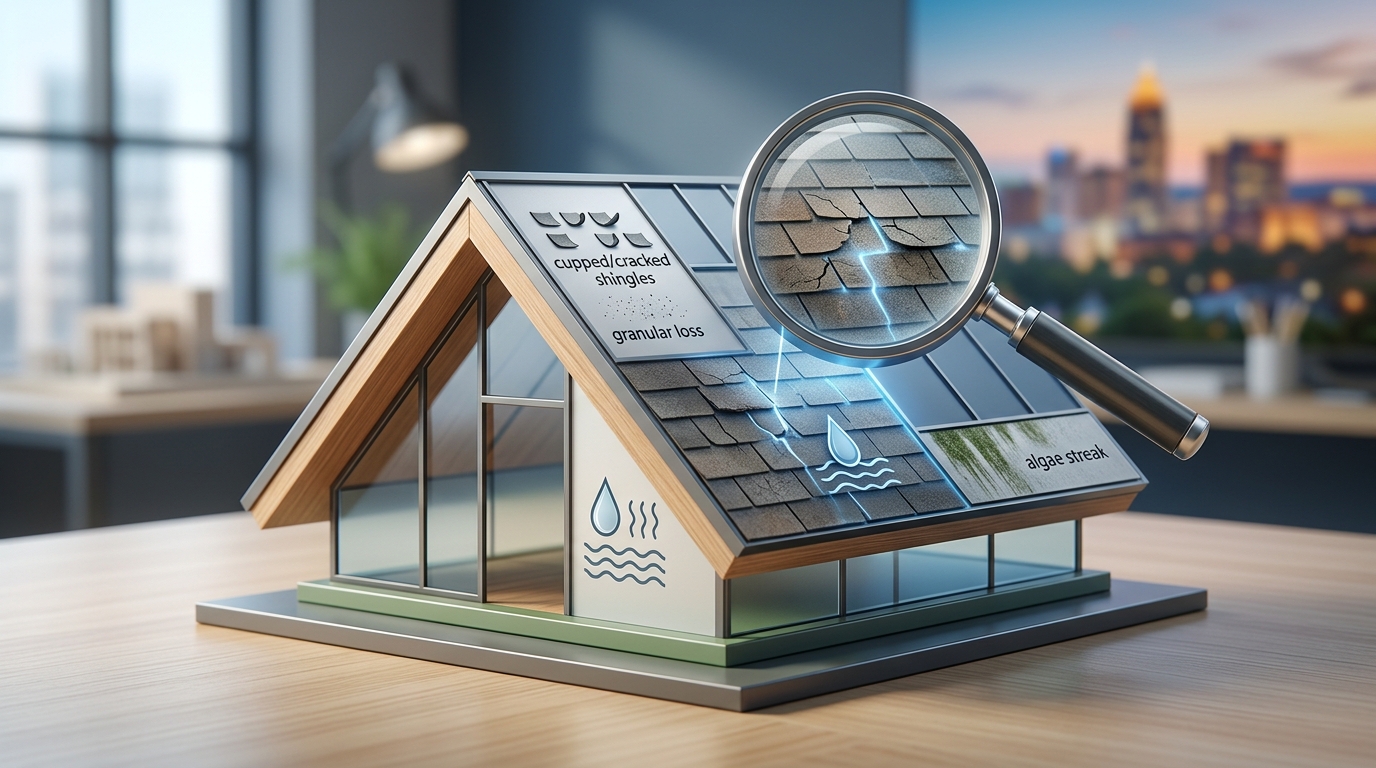
Shingles should lay flat against the roof deck. In North Carolina, the intense UV radiation can cause the asphalt oils to dry out over time. This leads to shingles that curl at the edges (upward or downward) or become brittle and crack. When shingles lose their flexibility, they can no longer expand and contract with the temperature changes common in our region, making them prone to blowing off during high winds.
2. Significant Granule Loss in Your Gutters
Have you noticed what looks like coarse black sand in your downspouts or gutters? These are ceramic granules designed to protect the shingle from UV rays. While some granule loss is normal for new roofs, an excessive amount indicates that the shingles are reaching the end of their life. Without this protective layer, the asphalt core is exposed to the sun, leading to rapid deterioration. If you are cleaning your gutters and see piles of sediment, your roof is effectively "balding."
3. Missing or Rusted Flashing
Flashing is the metal material (usually aluminum or galvanized steel) installed around chimneys, vents, and valleys to redirect water. In older NC homes, flashing was often sealed with tar or roof cement, which cracks over time. If your flashing is missing, rusted, or separated from the structure, water will inevitably find its way into your home. Modern replacements utilize high-quality metal flashing systems that are integrated into the shingle layers for maximum protection.
4. The Presence of Moss, Algae, or Dark Streaks
North Carolina’s high humidity creates a breeding ground for Gloeocapsa magma, a type of algae that causes those unsightly black streaks on roofs. While the algae itself is often aesthetic, it holds moisture against the shingles. Moss is a more significant concern; it acts like a sponge, keeping the roof deck damp and eventually leading to wood rot. If your roof has become a garden, the structural integrity of the boards underneath may be compromised.
5. Daylight Through the Attic Boards
One of the most effective ways to check your roof's health is from the inside. Go into your attic on a sunny day with the lights off. If you see pinpricks of light peeking through the roof boards, you have a direct path for water and pests. While you are up there, check for damp insulation or water stains on the rafters. This is a definitive sign that a replacement is a priority.
6. A Sagging Roofline
A sagging roof is a serious structural warning. This typically indicates that the decking (the wood underneath the shingles) has been weakened by long-term moisture exposure or that the rafters themselves are failing. In some cases, it may be due to improper installation or excessive weight from multiple layers of old shingles. Regardless of the cause, a sagging roofline requires immediate professional attention from a trusted NC roofing contractor.
7. The Age Factor (The 20-Year Rule)
Most asphalt shingle roofs are designed to last between 20 and 25 years. However, in North Carolina, the lifespan can be shorter due to storm frequency and heat. If your roof was installed over a previous layer of shingles and is more than 15 years old, it is at high risk. Even if it looks acceptable from the ground, the internal components are likely reaching their failure point.
Comparison: Repair vs. Replacement Decision Matrix
Knowing whether to patch a leak or replace the entire system is a major financial decision. Use the table below to evaluate your current situation:
| Factor | Consider Repair If... | Consider Replacement If... |
|---|---|---|
| Age of Roof | Under 12-15 years old. | Over 20 years old. |
| Scope of Damage | Isolated to one small area (e.g., fallen limb). | Damage covers more than 30% of the roof. |
| Leak History | First-time occurrence. | Recurring leaks in multiple spots. |
| Future Plans | Selling the home immediately (and roof is safe). | Staying in the home for 5+ years or adding value. |
The Impact of the North Carolina Climate on Your Roof
Data from the National Oceanic and Atmospheric Administration (NOAA) shows that North Carolina frequently ranks high for wind and hail damage reports. This atmospheric volatility accelerates the aging process of building materials. For instance, the "thermal shock" caused by a 95-degree afternoon followed by a sudden cooling thunderstorm causes shingles to expand and contract rapidly, weakening the adhesive seals over time.
Furthermore, the coastal influence in eastern parts of the state means salt-heavy air, which can corrode metal components faster than in inland areas. Whether you are dealing with the humidity of the Triangle or the storms of the coast, your roof requires materials rated for high wind speeds and algae resistance to truly last the full 25-year lifecycle.
The Hidden Cost of Delaying Your Roof Replacement
Many homeowners delay replacement to save money, but this often leads to much higher expenses down the road. A failing roof doesn't just affect the exterior; it impacts your entire home's ecosystem.
- Energy Efficiency: A compromised roof allows attic heat to build up, forcing your HVAC system to work overtime during NC's sweltering summers.
- Interior Health: Small leaks lead to mold and mildew growth in the attic, which can circulate through your home's air supply.
- Structural Decay: Water that seeps into the walls can rot the framing, leading to astronomical repair bills compared to a standard roof replacement.
- Home Value: A roof is a primary focus for home inspectors. A failing roof can kill a real estate deal or force a massive price reduction.
If you are concerned about the upfront costs, we offer flexible financing options to ensure you can protect your home without financial strain.
How Mj's Roofing and remodeling Conducts an Inspection
When you call our team, we don't just glance at your roof from the driveway. Our 30-year methodology involves a 21-point inspection process that covers:
- Decking Integrity: Checking for soft spots and wood rot.
- Ventilation Performance: Ensuring your attic is breathing correctly to prevent shingle "cooking."
- Flashings and Seals: Inspecting all penetration points (pipes, vents, chimneys).
- Gutter Alignment: Verifying that water is being diverted away from the foundation.
- Shingle Adhesion: Checking for "wind uplift" where seals have broken.
FAQs About Roof Replacement in North Carolina
How much does a roof replacement cost in NC?
Costs vary based on the square footage, pitch, and materials chosen. On average, a standard asphalt shingle roof in North Carolina can range from $8,000 to $15,000, while premium materials like metal or tile will be higher. We provide detailed, transparent quotes after a physical inspection.
Can I just layer new shingles over my old ones?
While some building codes allow for two layers, we generally advise against it. A second layer traps heat, shortens the life of the new shingles, and prevents us from inspecting the roof deck for hidden rot. A "tear-off" is always the best practice for long-term reliability.
How long does the actual replacement process take?
Most residential roof replacements are completed in 1 to 2 days, depending on the size of the home and weather conditions. Our team prioritizes a clean job site and minimal disruption to your daily routine.
Does homeowners insurance cover roof replacement?
If the replacement is needed due to "unforeseen peril" like hail or wind damage from a storm, insurance often covers a significant portion of the cost. If the roof is simply old and worn out, it is considered standard maintenance and is typically not covered.
Conclusion: Take Action Before the Next Storm
Your roof is more than just shingles; it is a complex system designed to keep your family and your investment safe. Recognizing the signs your NC home needs a roof replacement is the first step in proactive homeownership. With over three decades of experience serving North Carolina, Mj's Roofing and remodeling has the local knowledge and craftsmanship to handle any roofing challenge, from minor leaks to complete structural replacements.
Don't wait for a rainy day to find out your roof is failing. Contact the experts who have been protecting local homes for over 30 years. Our team is ready to provide a thorough assessment and a solution tailored to your home’s specific needs.
Ready to protect your home? Contact Mj's Roofing and remodeling today for a professional inspection and a free estimate.